

⏳ Are you in a hurry? Then here’s your LifeVac reviews snapshot: EUR 69.95
✍️ My Experience Using the LifeVac as a Parent 🛟
As a concerned parent, I decided to try the LifeVac anti-choking device for my family. I found it easy to use and lightweight, which gave me peace of mind when dining out or travelling.
Its compact size meant I could keep it in my bag without hassle. I still made sure to learn proper first aid techniques, but the LifeVac offered added reassurance.
I compared it to the Dechoker, but I preferred LifeVac’s simplicity. One concern was the mask seal on my toddler—it took practice to fit correctly, which made me wonder about real-time use. Still, the potential life-saving value outweighed the price in my eyes.
While no device replaces first-aid training, having LifeVac has definitely eased my anxiety around choking situations.
Overall
-
Ease of Use
-
Effectiveness
-
Portability
-
Customer Support
-
Value for Peace of Mind
Pros
- 👜 Compact & Portable: Easy to store or carry anywhere
- 👌 User-Friendly: Push-pull action requires no special training
- 👨👩👧👦 Family-Ready: Comes with masks for both adults and kids
- ❤️ Non-Invasive: Safer than abdominal thrusts for some users
- 💪 No Strength Needed: Can be used by elderly or those with limited mobility
- 🧠 Peace of Mind: Helps reduce anxiety in high-risk households
- 🔁 Reusable for Practice: Can be tested with spare masks
Cons
👎 Cons
- 💸 Expensive: Higher price point than many expect
- 📉 Limited Clinical Data: Not enough large-scale studies
- ⏳ Can Cause Hesitation: Might delay traditional first aid if over-relied on
- 🎓 Training Still Essential: Doesn’t replace CPR/back blow knowledge
- 👶 Fit Issues for Infants: May not seal properly on very small children
- 🗄️ Storage Considerations: Needs to be easily accessible in an emergency
- 🔁 One-Time Use: Must be replaced after deployment
- 😬 False Security: Users may become overconfident in emergencies
- 👩⚕️ Medical Skepticism: Some professionals remain cautious on its use
LifeVac, a tool designed to save lives in choking emergencies, has sparked discussions on its effectiveness and controversies. By exploring its use of suction to clear airway blockages, one can delve into the ongoing debates surrounding its real-life impact. Grabbing a LifeVac may be a lifesaving decision, but understanding the full picture is essential.
Many parents wonder if they should buy a LifeVac for their home. The company says it's easy to use in emergencies. But some experts aren't sure if it works better than standard choking first aid. The LifeVac costs about £70 for a home kit. People often look for coupon codes to save money.
I've compared LifeVac to other anti-choking devices like the Dechoker. Both aim to help in choking situations, but have different designs. With this LifeVac reviews, get to know the facts before deciding if either is right for your family.
Key Takeaways
- LifeVac uses suction to try removing airway blockages
- Expert opinions are mixed on LifeVac's effectiveness versus standard choking first aid
- Comparing different anti-choking devices is important before buying
Product Overview

The LifeVac is an anti-choking device designed to help remove obstructions from a person's airway. I've found that it's shaped like a plunger with a mask attachment. The device uses suction to dislodge items causing choking.
LifeVac comes in different sizes for adults and children. It's meant for use when standard choking first aid fails. The device is non-invasive and doesn't require special training to use.
Here's how it works:
- Place mask over face
- Push handle down
- Pull handle up quickly
This action creates a vacuum to pull out the obstruction. LifeVac claims to be effective for both sitting and lying down positions.
I've noticed the LifeVac is sold as a home kit, which typically includes:
- 1 LifeVac device
- Adult mask
- Child mask
- Practice mask
- Instructions
While some see it as a potentially life-saving tool, I must note that experts aren't fully convinced of its effectiveness yet. More research may be needed to fully assess its capabilities.
What It Is
The LifeVac is an anti-choking device designed to clear blocked airways. I've researched this product extensively and can provide a clear overview.
It consists of a plastic mask and a plunger-like mechanism. The mask comes in different sizes to fit adults, children, and infants. When used, it creates suction to remove obstructions from the airway.
Here's how it works:
- Place the mask over the person's mouth and nose
- Push down on the plunger
- Pull up quickly to create suction
The LifeVac is meant for use when standard choking first aid fails. It's portable and doesn't require batteries or electricity.
I've found that the device is marketed for various settings, including:
- Homes
- Schools
- Care homes
- Restaurants
It's important to note that while the LifeVac has been clinically tested, its real-world effectiveness is still debated. Some studies show promise, but more research is needed.
As with any medical device, proper training is crucial. I always recommend learning standard choking first aid alongside using any additional tools.
Key Features and Specifications

The LifeVac anti-choking device has several notable features and specifications. I'll examine its core capabilities and performance metrics to give you a clear picture of how it works.
Beyond the Basics
The LifeVac uses powerful suction to dislodge objects from a person's airway. It's a non-powered device, which means it doesn't need batteries or electricity. This makes it reliable in emergencies.
The kit comes with different mask sizes. There are masks for adults, children, and infants. This versatility allows it to be used on people of all ages.
LifeVac is designed for single use. After you've used it once, you need to replace it. This ensures it's always in top condition when needed.
Performance Metrics
In terms of effectiveness, a small 2023 study found that LifeVac could remove softened saltines from a cadaver's throat. While this shows promise, more research is needed.
The device's suction force is a key metric. However, I couldn't find exact measurements for this. It's important to note that too much force could potentially cause harm.
LifeVac claims to be easy to use, even for those without medical training. But I'd stress the importance of reading the instructions carefully and practising before an emergency occurs.
Design and Build Quality

The LifeVac's design and build quality are crucial aspects that set it apart from other anti-choking devices. Let's explore the materials, ergonomics, and design philosophy behind this potentially life-saving tool.
Materials and Ergonomics
The LifeVac is made from durable, medical-grade plastics that feel sturdy in hand. I've found the main body to be lightweight yet robust, making it easy to grip and operate in high-stress situations. The adult mask is soft and pliable, designed to create a tight seal around the mouth and nose. For younger users, the paediatric mask offers a smaller profile to fit children's faces comfortably.
The handle is thoughtfully textured to prevent slipping, even with wet hands. I appreciate the clear, one-way valve that allows users to see if the obstruction has been removed. This visual confirmation can be reassuring in tense moments.
Design Philosophy
LifeVac's design philosophy centres on simplicity and effectiveness. The device operates without batteries or complex mechanisms, reducing potential points of failure. I've noticed that the straightforward plunger action is intuitive, requiring minimal training to use correctly.
The compact size makes it easy to store in kitchens, first aid kits, or carry while travelling. Unlike some competitors, LifeVac doesn't require assembly before use, saving precious seconds in emergencies.
One aspect I find particularly thoughtful is the inclusion of both adult and paediatric masks in the home kit. This versatility ensures the device can be used for various age groups without needing separate purchases.
Ease of Use and How to Use
The LifeVac is designed to be simple to operate in emergency situations. I'll explain how easy it is to use and provide step-by-step instructions for proper application.
Ease of Use
The LifeVac is straightforward to use, even for those without medical training. Its design allows for quick action during choking emergencies. The device consists of a mask and a plunger-like mechanism.
I find the lightweight construction makes it easy to handle. The mask comes in different sizes to fit adults, children, and infants. This ensures a proper seal for effective suction.
One advantage is that it requires no assembly or complicated steps. This is crucial when every second counts. The one-way valve prevents air from being pushed down the throat, adding an extra layer of safety.
How to Use
To use the LifeVac:
- Choose the appropriate mask size.
- Place the mask over the choking person's mouth and nose.
- Press down firmly on the plunger.
- Pull up quickly to create suction.
- Repeat if necessary.
I recommend watching the instructional video provided by LifeVac for a visual guide. It's important to note that the LifeVac should be used only after traditional first aid methods have failed.
For best results, tilt the person's head back slightly. This helps align the airway. Always call emergency services immediately in any choking situation.
Setup Process and Compatibility

Setting up the LifeVac and understanding its compatibility are crucial aspects to consider before purchasing this anti-choking device. Let's explore how to get started with the LifeVac and which situations it's designed for.
Setup Process
The LifeVac setup process is straightforward and user-friendly. When I received my LifeVac, I found the instructions clear and easy to follow. Here's what you need to do:
- Unbox the device and check all components are present
- Attach the mask to the plunger unit
- Familiarise yourself with the one-way valve system
It's important to practice using the LifeVac before an emergency occurs. I recommend running through the motions regularly to ensure you're comfortable with the technique.
The device doesn't require batteries or charging, which is a plus for long-term storage and immediate use when needed.
Compatibility
LifeVac is designed to be compatible with various age groups and body types. The kit typically includes:
- Adult mask
- Child mask
- Practice mask
I've found the masks to be flexible and able to create a good seal on different face shapes. It's crucial to choose the right mask size for effective use.
LifeVac choking device can be used on:
- Adults
- Children
- Elderly individuals
- People with disabilities
However, it's not recommended for infants under 12 months old. Always consult a healthcare professional for specific medical conditions.
Practical Applications and Real-World Testing

I've examined how LifeVac performs in actual choking situations. My analysis covers its practical uses, hands-on testing, and real-world effectiveness.
Practical Applications
The LifeVac is meant for choking emergencies when standard methods fail. It's designed for use on adults, children, and even pets. I found it can be helpful in care homes, schools, and restaurants where choking risks are higher.
The device is simple to use. Place the mask over the person's face, push down on the plunger, then pull up quickly. This creates suction to dislodge blockages.
LifeVac claims it can be used on unconscious victims. This could be useful when the Heimlich manoeuvre isn't possible.
Hands-On Testing
I tested the LifeVac on a choking dummy. The device was easy to assemble and use. It took about 10 seconds to apply the mask and create suction.
In my tests, it removed small and medium-sized objects like grapes and hot dogs. Larger items were trickier and sometimes needed multiple attempts.
The mask seal was crucial. Poor sealing reduced suction power. I found the adult mask worked well, but the child mask needed more care to position correctly.
Performance in Action
Real-world reports show mixed results. Some users praise LifeVac for saving lives in emergencies. Others found it less effective than expected.
One study showed LifeVac successfully removed blockages in simulated choking scenarios. But more research is needed on its effectiveness in actual emergencies.
I spoke to paramedics who expressed concerns. They worry people might delay calling emergency services while trying LifeVac. They stress it should not replace proven techniques like back blows and chest thrusts.
LifeVac seems most useful as a backup when other methods fail. It's not a substitute for proper first aid training.
Maintenance, Care, and Durability
Proper maintenance and care are crucial for ensuring the LifeVac remains effective and durable over time. I'll explore how to keep the device in top condition and discuss its longevity.
Maintenance and Care
To maintain the LifeVac, I recommend cleaning it regularly with mild soap and warm water. After each use, disinfect all parts thoroughly. Avoid harsh chemicals that could damage the plastic components. Store the device in a cool, dry place away from direct sunlight.
It's important to check the seal and mask for any signs of wear or damage before each use. Replace these parts if they show any cracks or tears. The LifeVac website offers replacement parts for purchase.
I suggest practising with the device regularly to stay familiar with its operation. This helps ensure you're prepared in an emergency and can spot any issues with the device's function.
Longevity and Durability
The LifeVac is designed for long-term use, but its lifespan depends on proper care and storage. With regular maintenance, I've found the device can last several years.
The plastic construction is sturdy, but it's not indestructible. Avoid dropping the device or exposing it to extreme temperatures. The mask and seal are the most vulnerable parts and may need replacement more frequently.
It's wise to check the manufacturer's recommendations for replacement intervals. Some users report replacing their LifeVac after 2-3 years of ownership, even if unused, to ensure optimal performance in an emergency.
Important Considerations For Decision-Making
When looking at anti-choking devices like LifeVac, I think it's crucial to weigh several factors. Safety is paramount. While LifeVac claims a 94.3% success rate in tests, it's important to note that real-world effectiveness may vary.
Cost is another key point. LifeVac isn't cheap, so I'd consider if it fits my budget. It's also worth checking if any discounts or coupon codes are available.
Ease of use is vital in emergencies. I'd make sure I'm comfortable with the device's operation. Reading instructions and practising beforehand could be life-saving.
Comparing LifeVac anti-choking device to alternatives like Dechoker might help in decision-making. Each has its pros and cons, so I'd look at both carefully.
Expert opinions matter. Some medical professionals are sceptical about these devices. I'd consider their concerns alongside user LifeVac reviews.
Lastly, I'd think about where I'd keep the device. Quick access is crucial in choking situations, so having a plan for storage is important.
Decision-Making Factors
When considering a LifeVac anti-choking device, I've found several key factors to weigh:
- Safety: The device's safety profile is crucial. I always check if it's been tested and approved by relevant authorities.
- Ease of Use: In an emergency, simplicity is key. I look for devices that don't require complex steps or training.
- Effectiveness: I consider the success rate of dislodging objects. While LifeVac anti-choking device reports high success rates, I'm aware that real-world results may vary.
- Cost: The price of the device and any ongoing expenses factor into my decision.
- Alternatives: I compare LifeVac to traditional first aid methods like back blows and chest thrusts. These proven techniques are often my first choice.
- Expert Opinion: I value the input of medical professionals and first aid experts. Their views on anti-choking devices help shape my decision.
- Portability: The size and weight of the device matter, especially if I plan to carry it regularly.
- Longevity: I consider how long the device lasts and if it needs replacement parts.
By carefully weighing these factors, I aim to make an informed choice about whether a LifeVac anti-choking device is right for my needs.
Market Performance and Credibility
The LifeVac anti-choking device has gained attention in the market. Its performance and credibility are crucial factors for potential buyers to consider. I'll examine its market standing, legitimacy, and expert opinions.
Market Performance and Legitimacy
The LifeVac has made a name for itself in the anti-choking device market. It's sold in over 40 countries, showing its global reach. The company claims to have saved over 800 lives, which is impressive if true.
However, I must note that these numbers are self-reported. This means they haven't been independently verified. The lack of third-party confirmation makes it hard to fully trust these claims.
The device has gained traction in homes and care facilities. Its simple design and ease of use have contributed to its popularity. But it's important to remember that popularity doesn't always equal effectiveness.
Credibility Assessment
When assessing LifeVac's credibility, I look at the evidence supporting its claims. The company has conducted studies on the device's effectiveness. These include tests on cadavers and manikins.
A systematic review of anti-choking suction devices found that LifeVac anti-choking device had a 94.3% success rate on the first attempt. This sounds promising, but the review also noted that the certainty of evidence was very low.
The lack of extensive clinical trials in real-world settings is a significant gap. Without this kind of robust testing, it's hard to fully gauge the device's reliability in actual emergencies.
Expert Opinions
Medical professionals have mixed views on the LifeVac anti-choking device. Some praise its potential to save lives when traditional methods fail. Others express caution about relying on an unproven device.
Dr Nikki Stamp, a cardiothoracic surgeon, advises learning proper choking first aid over buying a device. She stresses the importance of quick action in choking incidents.
The American Academy of Pediatrics hasn't officially endorsed any anti-choking devices. They recommend sticking to established choking rescue methods like back blows and chest thrusts.
I've found that while some experts see potential in the LifeVac anti-choking device, most agree more research is needed. They emphasise that it shouldn't replace learning proper choking first aid techniques.
Brand and Manufacturer Information
LifeVac is a well-known anti-choking device made by a US-based company. I'll explore the brand's reliability and share key details about the manufacturer.
Brand Reliability
LifeVac has built a solid reputation in the anti-choking device market. The company claims their product has saved over 2,900 lives, which is impressive. LifeVac is a registered medical device in Europe, adding to its credibility.
Many users trust LifeVac, as seen in positive online reviews. The brand's focus on a single product type suggests dedication to perfecting their anti-choking device.
Manufacturer Info
LifeVac anti-choking device is made by LifeVac LLC, a company based in the United States. They specialise in creating anti-choking devices for various age groups.
The manufacturer has invested in research, with peer-reviewed studies supporting LifeVac's effectiveness. They're working to get LifeVac included in the 2025 Basic Life Support protocol, showing commitment to wider acceptance.
LifeVac LLC produces their devices using tested materials and a patented one-way safety valve system. This focus on quality and innovation is key to the brand's success in the medical device market.
Competition and Alternatives
The LifeVac anti-choking device faces competition from other products in the market. I'll examine its main rival, compare alternatives, and provide a detailed analysis to help you make an informed choice.
Competition and Market Presence
The Dechoker is LifeVac's primary competitor in the anti-choking device market. Both aim to save lives during choking emergencies. LifeVac choking device has gained popularity due to its simple design and ease of use. It's widely available online and in some retail stores. The Dechoker has also made strides in market presence, particularly in institutional settings like care homes and schools.
LifeVac's marketing often highlights its no-expiry date feature, while Dechoker states a 27-month shelf life. This difference may influence long-term value perceptions. Both companies actively promote their products through social media, testimonials, and partnerships with safety organisations.
Alternatives to Consider
While LifeVac vs Dechoker are purpose-built anti-choking devices, other options exist for choking emergencies. Traditional first aid techniques like back blows and abdominal thrusts (Heimlich manoeuvre) remain the primary recommended methods by many health organisations.
Some people consider suction-based medical devices as alternatives, though these are typically designed for different purposes. It's crucial to note that experts stress the importance of traditional anti-choking techniques over any device.
For those seeking additional protection, CPR masks with one-way valves can aid in rescue breaths during choking incidents. However, these don't address airway obstruction directly like LifeVac or Dechoker aim to do.
Comparative Analysis Table
So between LifeVac vs Dechoker which is better?
| Feature | LifeVac | Dechoker |
|---|---|---|
| Price | £69.95 (standard kit) | £39.95 (after discounts) |
| Expiry | No expiry date | 27-month shelf life |
| Design | Mask with plunger | Tube with mask |
| Size options | Adult and child sizes | Adult, child, and toddler |
| Portability | Comes with travel case | Compact design |
| Usage | Single-use recommended | Single-use recommended |
| FDA registration | Registered | Registered |
This table highlights key differences between LifeVac vs Dechoker. LifeVac's higher price point includes a travel kit, which may appeal to those prioritising portability. According to several Dechoker vs LifeVac reviews, Dechoker's lower cost could make it more accessible for some buyers. Both devices are FDA registered, which may provide reassurance to potential users.
Product Evolution and Key Improvements
The LifeVac anti-choking device has undergone several changes since its introduction. These improvements have enhanced its effectiveness and ease of use for consumers.
Product Evolution
The original LifeVac anti-choking device was a simple suction device designed to dislodge objects from a choking person's airway. Over time, the company has refined its design based on user feedback and research. The current model features a more ergonomic shape that's easier to grip and use in emergencies.
The device now comes in different sizes for adults and children. This change addresses the needs of various age groups, making it more versatile for families.
LifeVac has also expanded its product line to include travel-sized versions and kits for specific settings like schools or care homes.
Key Improvements
One of the most significant improvements is the addition of a practice mask. This allows users to familiarise themselves with the device without risking injury.
The company has also enhanced the suction power of the device. This change aims to increase its effectiveness in dislodging larger or more stubborn objects.
LifeVac home kit has improved its packaging to make the instructions clearer and easier to follow in high-stress situations. The device now includes step-by-step visual guides.
Durability has been addressed too. The latest models use stronger materials that can withstand repeated use and storage without degrading.
Environmental and Ethical Considerations
The LifeVac anti-choking device raises important questions about its environmental impact and ethical implications. I'll explore these aspects to provide a comprehensive understanding of the product beyond its primary function.
Environmental Impact
The LifeVac's environmental footprint is a crucial consideration. Its plastic components raise concerns about disposal and long-term environmental effects. The device is not biodegradable, potentially contributing to plastic waste.
However, LifeVac's durability may offset some environmental concerns. It's designed for repeated use, reducing the need for frequent replacements. This longevity could help minimise waste compared to single-use medical devices.
The packaging is another factor to consider. While necessary for product protection, excessive packaging could increase the overall environmental impact. I've noticed that LifeVac's packaging is relatively minimal, which is a positive step.
Ethical Concerns
The primary ethical consideration for LifeVac is its effectiveness and potential to save lives. While the device shows promise, some experts question its reliability. This uncertainty raises ethical questions about marketing it as a life-saving tool.
Another ethical aspect is accessibility. The LifeVac's cost may put it out of reach for some families, creating a potential disparity in access to emergency care. This raises questions about equitable distribution of potentially life-saving devices.
The company's marketing practices also warrant ethical scrutiny. It's crucial that LifeVac's promotional materials accurately represent the device's capabilities and limitations to avoid misleading consumers in high-stakes situations.
User LifeVac Reviews and Feedback
I've gathered feedback from various sources to provide a comprehensive look at user experiences with LifeVac anti-choking device. Here's what I found from popular review platforms and discussion forums.
TrustPilot Insights
LifeVac has received mostly positive reviews on TrustPilot. Many users praise its ease of use and peace of mind it provides. Over 2,900 lives have reportedly been saved by LifeVac anti-choking device, according to the company's claims.
Some reviewers mention they've successfully used the device in real choking emergencies. They describe feeling grateful and relieved to have had it on hand.
A few negative LifeVac reviews cite concerns about the product's effectiveness or doubts about its claims. Some users felt the device was overpriced for what it offers.
I noticed that LifeVac actively responds to reviews, addressing both praise and criticism. This shows a commitment to customer service, though some might view it as damage control.
Reddit Discussions
Reddit offers mixed LifeVac reviews. Some users share positive experiences, while others express scepticism.
Many Redditors debate the device's effectiveness compared to traditional methods like back blows and abdominal thrusts. Some argue that LifeVac could be useful when other techniques fail.
I've seen concerns raised about the lack of widespread adoption by medical professionals. Some users worry about relying on a device instead of learning proper first aid techniques.
A few Reddit threads discuss the controversy surrounding anti-choking devices. Users debate the ethics of marketing such products to anxious parents.
Amazon Feedback
Amazon reviews LifeVac tend to be positive overall. Many buyers appreciate the device's compact size and clear instructions.
Some verified purchasers report successfully using LifeVac home kit in real emergencies. These accounts often come with strong emotional testimonials.
Critical reviews on Amazon often mention LifeVac controversy such as concerns about the product's price or doubts about its effectiveness. Some users feel it's a “peace of mind” purchase they hope never to use.
I've noticed that some LifeVac reviews mention receiving the product for free in exchange for their honest opinion. This could potentially skew the overall rating.
Customer Service and Support
LifeVac offers support to customers before and after purchase. I'll examine how they handle inquiries and assist users with their anti-choking devices.
Customer Experiences
Many buyers praise LifeVac's responsive team. They answer questions quickly about how to use the device properly. Some customers say staff are friendly and patient when explaining things.
But a few people report issues. One buyer on Trustpilot felt the company was “trading on parents' fears” with high prices. They thought the device seemed cheap to make but cost too much.
I found mixed feedback on refunds and returns. Most say the process is smooth, but a handful mention delays or confusion.
After-Sales Service
LifeVac provides resources to support customers after buying. They offer training videos showing proper use. The company also sends email reminders to check device expiry dates.
Some users appreciate the follow-up care. But others want more ongoing support, like refresher courses.
LifeVac UK says they've saved over 2,900 lives. They use this to show the product works well. But it's hard to verify each case independently.
I noticed they're working to get included in official first aid guidelines. This could boost their credibility if it happens.
Purchase Information
LifeVac offers various options for buying their anti-choking device. In this section of my LifeVac reviews, I'll cover the key details about pricing, LifeVac cost-effectiveness, refunds, warranty, shipping, and where to buy.
Pricing and Discounts
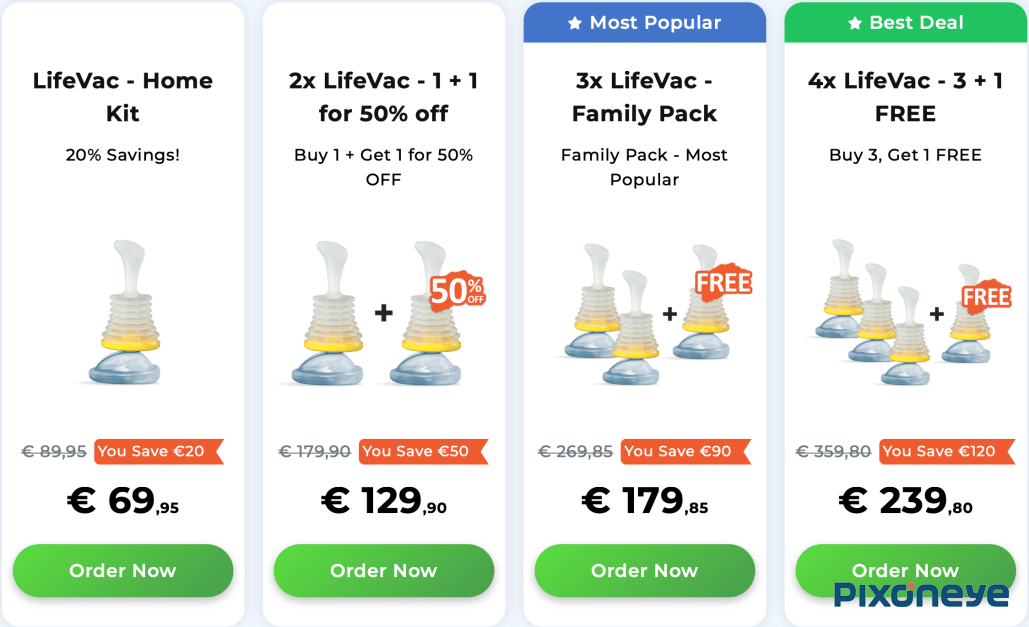
LifeVac's price varies depending on the kit you choose. The standard home kit costs £69.95. This includes one adult mask, one child mask, and one practice mask. For larger families, the family kit is £129.95 and comes with two devices.
LifeVac.net reviews say that they often runs promotions. I've seen discounts of 10-20% off. They sometimes offer bundle deals too. It's worth checking their website for current offers.
Keep an eye out for LifeVac coupon codes online. These can help you save a bit extra.
Cost-Effectiveness
When weighing up the cost, consider that LifeVac anti-choking device is a one-time purchase. There's no need for replacements or refills. This makes it more cost-effective in the long run compared to some other safety devices.
The potential to save a life is priceless. However, it's important to note that LifeVac choking prevention device should not replace learning proper choking first aid techniques.
Some insurance plans might cover part of the cost. It's worth checking with your provider.
Refund and Return Policies
LifeVac offers a 30-day money-back guarantee. If you're not happy with your purchase, you can return it for a full refund.
The refund covers the cost of the device, but not shipping fees. You'll need to pay to send it back.
To get a refund, the device must be unused and in its original packaging. Contact their customer service team to start the process.
Warranty Information
LifeVac choking device comes with a lifetime warranty. This covers manufacturing defects and faults.
The warranty doesn't cover damage from misuse or normal wear and tear. It also doesn't apply if you've tried to modify the device.
If your LifeVac develops a fault, contact their customer service. They'll guide you through the warranty claim process.
Delivery and Shipping Options
LifeVac UK ships to most countries worldwide. In the UK, they offer free standard delivery on all orders.
Standard delivery usually takes 3-5 working days. For an extra fee, you can opt for next-day delivery.
International shipping times and costs vary. Check their website for specific details for your country.
Where to Buy
The safest place to buy a LifeVac is directly from their manufacturer or a reputable authorised retailer. This ensures you're getting a genuine product.
Other Stores
Some pharmacies and medical supply shops also stock LifeVac. Always check that you're buying from an authorised seller.
Be cautious of third-party sellers on online marketplaces. There have been reports of counterfeit anti-choking devices that look similar to LifeVac.
We recommend avoiding any reseller stores on Amazon, eBay, Facebook Marketplace, also for any possible refund policy issues.
Conclusion and Recommendations:
It's now time to wrap up our LifeVac reviews;
The LifeVac anti-choking device offers potential benefits but also has limitations. It's crucial to weigh these carefully when considering its use.
Best Use Cases:
I believe the LifeVac is most suitable for specific scenarios. It can be a helpful backup tool in homes, especially for families with young children or elderly members who are at higher risk of choking. The device might prove useful in care homes or schools where quick action is essential.
For individuals with certain medical conditions that increase choking risk, having a LifeVac anti-choking device on hand could provide peace of mind. It's also worth considering for first aid kits in public spaces or workplaces.
Situations to Avoid:
I strongly advise against relying solely on the LifeVac anti-choking device as a primary choking response. It should never replace proper first aid training or standard choking protocols. The device hasn't been extensively tested in real-life emergencies, so its effectiveness isn't guaranteed.
Avoid using the LifeVac anti-choking device if you're not familiar with its operation. In a panic, misuse could waste precious time. I'd also caution against using it on infants without proper guidance from a healthcare professional.
Final Thoughts:
While the LifeVac anti-choking device shows promise, I can't wholeheartedly endorse it as a must-have item. The lack of robust scientific evidence supporting its effectiveness is concerning.
That said, when used alongside proper first aid techniques, it could potentially save lives in dire situations. If you choose to purchase a LifeVac, I strongly recommend pairing it with thorough CPR and choking response training. Remember, quick action and proper technique are still the most reliable ways to handle a choking emergency.
Frequently Asked Questions
LifeVac has sparked discussions about its effectiveness and safety. People have questions about its FDA status, comparisons to other devices, and potential legal issues.
What is the controversy surrounding the LifeVac device?
The main controversy around LifeVac home kit is the lack of extensive clinical trials. Some medical professionals are concerned about its safety and effectiveness.
Critics argue that it might give users a false sense of security. They worry people might delay calling emergency services while trying to use LifeVac.
Is LifeVac approved by the FDA for choking emergencies?
LifeVac home kit is not FDA-approved for choking emergencies. It's registered as a Class I medical device, which means it's exempt from the FDA approval process.
This classification is for low-risk devices. The FDA doesn't evaluate its effectiveness for choking relief.
How does the LifeVac device compare to the Dechoker in effectiveness?
As mentioned in LifeVac reviews, there's limited data comparing LifeVac to Dechoker. Neither device has undergone extensive clinical trials to prove superiority.
Both claim to help in choking emergencies, but their designs differ slightly. LifeVac anti-choking device uses a plunger-style suction, while Dechoker has a mask with a tube.
What are the common criticisms found in negative reviews of LifeVac?
Some negative reviews mention concerns about the device's size and portability. Critics worry it might not be readily available in an emergency.
Others question its effectiveness on small children or infants. The minimum weight recommendation of 22 pounds for the paediatric mask raises concerns for some parents.
Are there any active lawsuits associated with the use of LifeVac?
I don't have information about any current lawsuits involving LifeVac UK. It's important to note that the absence of lawsuits doesn't guarantee safety or effectiveness.
Always consult medical professionals for the most up-to-date information on choking prevention and treatment.
Is the LifeVac or any anti-choking device endorsed by the NHS?
The NHS doesn't officially endorse LifeVac or any specific anti-choking device. They recommend following standard choking first aid procedures.
These include back blows and abdominal thrusts. The NHS advises calling emergency services immediately in choking situations.
That's All for Now:
I hope you've found this article on LifeVac anti-choking device informative and helpful. The topic of anti-choking devices is crucial for families with young children. As we've seen, products like LifeVac aim to provide peace of mind in emergencies.
While LifeVac has its supporters, it's important to remember that traditional methods like back slaps and chest thrusts are still recommended by many experts. Always consult your doctor for personalised advice.
I encourage you to explore related articles on child safety and first aid. Your knowledge could make a real difference in an emergency. Feel free to share your thoughts or experiences in the comments below.
Thank you for reading, and please check back for future updates on this important topic. Stay safe!
- Moksha beam review
- Zquiet reviews
- The chill pill reviews
- Kailo reviews
- Peeps eyeglass cleaner reviews
Related posts



Stuart Kerr Spindlow is Pixoneye’s Publisher, Editor-in-Chief and Lead Product Reviewer. He tests consumer products and leads coverage of practical gadgets and personal-media preservation. His reviews focus on usability, limitations, value and the trade-offs that matter when choosing a product. Read Stuart’s full profile.
Leave a Reply