
Comparison: Quick Verdict. AirPhysio is my conditional preference for a straightforward OPEP airway-clearance device with a suitable variant. Tilcare is worth comparing on its exact complete-device package and filter-care requirements. Neither replaces CPAP, a rescue inhaler or prescribed respiratory treatment, and neither is a universal winner for every cause of breathlessness.
Compare the job before the brand
Tilcare vs AirPhysio compares two handheld devices marketed for oscillating positive expiratory pressure, usually shortened to OPEP. The intended buying task is airway-clearance support. It is different from continuous positive airway pressure during sleep, from a rescue inhaler and from a progressive inspiratory muscle-training programme.
An OPEP device creates pressure and oscillation while you breathe out. In an appropriate airway-clearance routine, the aim is to help move retained mucus so it can be cleared. That mechanism does not establish that a product treats every cause of breathlessness, increases sports performance or prevents a respiratory infection.
The American Thoracic Society explains airway-clearance approaches as part of managing bronchiectasis. That is a useful framework for discussing a routine with a respiratory professional, rather than choosing a consumer device from a general list of diseases.
AirPhysio: simple mechanism, relevant variant

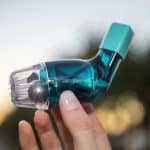
AirPhysio describes a ball-and-cone OPEP mechanism in its manufacturer information. I value the mechanical simplicity and absence of charging. For a repeatable home routine, having fewer controls to manage can be a practical advantage, provided the device and technique are suitable.
Select the correct variant rather than assume that a single adult version serves every user. AirPhysio has marketed different configurations for different needs; a model name is not a diagnosis or a prescription. Check the exact package and the instructions supplied with it.
A sports label does not prove better endurance, and a child-oriented variant does not make unsupervised paediatric use appropriate. The relevant question is whether the device and resistance suit the person and the clearance technique they have been taught.
The mechanism still needs correct use. Position, mouth seal and breathing technique can affect how a ball-based device behaves. A device with few parts is not maintenance-free, and a ball that is not moving as expected should prompt an instruction or technique check rather than progressively harder blowing.
Tilcare: distinguish the complete device from its filter

The current Tilcare manufacturer listing identifies an OPEP mucus-removal device and includes a filter. Its product selector also offers an extra filter. Check which option is selected before comparing the displayed price with the price of a complete AirPhysio.
The filter is a package and maintenance consideration. It should not be treated as a substitute for cleaning or as proof that breathing through the device protects you from infection. Neither an included accessory nor a broad marketing claim establishes personal protection against viruses or bacteria.
I would ask what comes in the selected package, which parts can be cleaned, how the filter is maintained and where a replacement can be obtained. These questions matter more than counting accessories as though every extra part automatically makes a better respiratory device.
Do not infer the exact number of ball settings or an age range from a photograph of another seller’s kit. If you are considering a specific Tilcare package, match its instruction sheet and supplied components. A different accessory arrangement can change the ownership routine even when the general OPEP category is the same.
Handling, portability and a repeatable routine
Both products have the appeal of compact, battery-free operation. I see that as an ownership advantage: no charger to remember and fewer electronic components to manage. It is not evidence that either is more reliable at clearing mucus or suitable during an episode of breathing difficulty.
Portability has practical limits. You need somewhere appropriate to use the device, access to the prescribed clearance technique and a way to keep the components clean and dry afterwards. Carrying a damp mouthpiece loose in a bag undermines the convenience of a small device.
Consider dexterity and eyesight before purchase. Can the user identify the parts, assemble them correctly and follow the cleaning instructions? A filter or several loose components add a handling task. A simpler configuration can be preferable if that task would otherwise make the routine difficult.
Consistency should mean following the individual plan, not using the device more often because a comparison calls daily use essential. Session length and frequency depend on the person, condition, technique and instructions. A respiratory clinician or physiotherapist can help establish the routine rather than leaving it to trial and error.
Cleaning and care are part of the purchase
Neither device should be described as permanently maintenance-free. Mouth contact and moisture make cleaning, complete drying and correct reassembly part of ownership. Follow the method permitted for the exact product rather than copy a procedure from another OPEP brand.
Before disassembly, identify the components and avoid losing small parts. Check whether the filter has separate care or replacement instructions. A method suitable for the housing may not be suitable for a filter, and an accessory that looks washable should not be assumed to tolerate soaking.
Do not improvise boiling, dishwasher cleaning or strong chemical treatment. Ask the supplier if the instructions are unclear. Inspect the housing, mouthpiece and moving parts for damage, and stop using a broken or incorrectly assembled device.
A case is useful only if storage is clean and the device has dried as directed. Plan care time when comparing convenience. If you travel regularly, think about where components will dry and how replacement accessories would be obtained away from home.
Clinical limits: neither replaces CPAP or prescribed treatment
An OPEP device is not a smaller alternative to CPAP. CPAP provides continuous positive airway pressure for a different purpose, including prescribed treatment of obstructive sleep apnoea. The ability to fit an OPEP device in a pocket says nothing about whether it can perform that role; it cannot replace a prescribed machine.
Neither product replaces asthma medicines, oxygen, antibiotics when prescribed or a rescue treatment plan. New or worsening breathlessness should be assessed rather than managed by choosing a device from a comparison. Severe breathing difficulty requires urgent medical attention.
Do not buy an OPEP device on the assumption that it treats pneumonia, prevents an asthma attack, reverses lung damage or provides a proven recovery from COVID-19. A study about a particular patient group and protocol would need to be matched carefully before it could support a specific claim.
Suitability also needs checking before use by children or someone with a diagnosed respiratory disorder. A broad seller statement that a device is for adults and children does not replace instructions and professional assessment. The same applies to a claim that a device is suitable for severe disease.
Your clinician should know about relevant conditions and symptoms, including an untreated pneumothorax or coughing blood, before advising airway-clearance treatment. Do not interpret a drug-free label as meaning that there are no contraindications. Stop and seek advice if use causes pain, dizziness or concerning breathing symptoms.
What the evidence supports in a buying comparison
My preference for AirPhysio concerns practical simplicity and selecting an appropriate variant. It is not a finding from a new head-to-head clinical trial. The existence of different models also does not prove that one brand will clear more mucus than another in every user.
A manufacturer description is useful for checking a product’s mechanism and package, but not independent proof of all its advertised medical benefits. General OPEP research cannot be turned into a promise of individual lung-capacity improvement or better athletic performance.
User comments can help identify awkward assembly, an unclear instruction sheet or difficulty obtaining accessories. They do not provide a controlled comparison of treatment outcomes. A retailer star average is especially poor evidence for choosing a medical device when the exact variant, date and population are unclear.
If your care team has recommended a particular device or clearance technique, bring that recommendation into the purchase. A slightly cheaper product is poor value if the mechanism, configuration or support does not suit the plan. Conversely, a higher price alone does not establish superior efficacy.
Price and package value
Compare complete devices rather than the lowest number shown on a page containing accessory options. On 27 October 2026, Tilcare’s manufacturer page displayed a range of $13.99 to $39.99 across its device and extra-filter selector. That range should not be presented as a complete-device price without checking the selected option.
Check the exact adult AirPhysio configuration and the seller’s currency, shipping destination and package contents. A dated promotional amount, a children’s kit or a different market is not a reliable like-for-like comparison. Taxes and delivery may change the final total.
Include any expected filter or replacement-component expense, but do not invent a replacement interval. The useful number is the total for the selected package and the care routine you can actually maintain. If an accessory is optional, separate it from what is required to use the product.
Read the seller’s written return terms before paying. A satisfaction period, a warranty against a manufacturing fault and a replacement policy are different protections. Ask whether opening a mouth-contact product changes eligibility and who pays return postage.
Purchase from a seller whose model identity, package and support can be checked. There is no basis to describe every marketplace seller as fraudulent. Equally, a familiar platform name does not prove that the offer is the exact product or carries the same returns as a direct order.
Which would I choose?
I would favour AirPhysio where a suitable OPEP device is wanted and the buyer values its straightforward configuration and choice of relevant variant. That remains conditional on suitability, clear instructions and a practical care routine. I would not pay a premium because of an unsupported claim that it is clinically superior.
Tilcare is worth comparing when the exact complete-device package and its filter-care requirements are clear, the configuration suits the recommended routine and the overall purchase terms are acceptable. A lower entry price can be useful, but only after establishing that the listed option is not merely an accessory.
If your buying goal is actually inspiratory muscle training, see the distinction in AirPhysio vs POWERbreathe. If it is independent resistance on inhalation and exhalation, our AirPhysio vs The Breather comparison explains that different task.
For more detail on the AirPhysio purchase and handling, read the AirPhysio review. Choose the clearance method and suitable device first, then compare the exact package. Neither brand should be bought as an emergency response or a substitute for prescribed treatment.
Complete-device comparison
Exact OPEP model + included mouthpiece/components + suitable instructions + delivery and return terms.
Compare this total with the other complete device.
Accessory comparison
Extra filter or replacement part + model compatibility + care/replacement instructions.
A lower accessory price is not the price of a complete OPEP device.
Frequently asked questions
Can either replace CPAP?
No. OPEP airway-clearance devices and CPAP perform different tasks. Do not replace prescribed sleep-apnoea treatment with either product.
Does an included filter prevent respiratory infections?
Do not treat the filter as personal infection protection or a replacement for cleaning. Follow its exact care instructions.
Is Tilcare’s lowest displayed amount the complete-device price?
Not necessarily. Its manufacturer listing includes a device and an extra-filter option. Check the selected option and complete package before comparing prices.
Does a sports model guarantee greater endurance?
No. A model label does not establish an individual performance improvement or replace appropriate evidence and suitability.
Can children use these devices unsupervised?
Do not assume so from a general seller age claim. A child needs an appropriate device, instructions and professional guidance.
Which mechanism should I choose for breathing-muscle training?
Ask which training task is intended. OPEP airway clearance differs from inspiratory or combined inspiratory and expiratory resistance training.
Related Posts


Share this article

Stuart Kerr Spindlow is Pixoneye’s Publisher, Editor-in-Chief and Lead Product Reviewer. He tests consumer products and leads coverage of practical gadgets and personal-media preservation. His reviews focus on usability, limitations, value and the trade-offs that matter when choosing a product. Read Stuart’s full profile.
Leave a Reply