

⏳ Are you in a hurry? Then here’s your Starscope Monocular Reviews snapshot: USD 89.99

Product Name: Starscope Monocular
Product Description: The Starscope Monocular offers sharp magnification and a lightweight design, making it ideal for outdoor enthusiasts and nature lovers.
Offer price: 89.99
Currency: USD
Availability: LimitedAvailability
Personal Experience Insights
I recently tried the Starscope monocular to see if it lived up to the hype. My experience was mixed. The device is lightweight and easy to carry, which I appreciated during a hiking trip. It fit nicely in my pocket without weighing me down.
When I used it to view distant objects, the image quality was decent but not exceptional. I could see birds in trees about 50 metres away, but the clarity wasn't as sharp as I'd hoped. The 10x zoom worked, but I've seen better results from standard binoculars.
Attaching it to my smartphone was a bit fiddly. It took some practice to align properly and get a clear image. Once set up, I could take zoomed-in photos, but the quality was not comparable to a DSLR camera as some adverts claim.
The build quality felt a bit cheap to me. I worry about its durability for long-term use, especially in rugged outdoor conditions.
In terms of value, I'm not convinced it's worth the price. There are other monoculars on the market that offer similar or better performance at comparable prices.
My advice? It's an okay gadget for casual use, but serious outdoor enthusiasts or photographers might want to look elsewhere for higher quality optics.
Overall
-
Build Quality
-
Power/Magnification
-
Features
-
Price
Pros
- Lightweight and portable: Its compact design makes it easy to carry on hikes, trips, or other outdoor activities.
- Affordable price: Compared to premium optics, the StarScope is relatively budget-friendly, making it accessible to beginners.
- Smartphone compatibility: Marketed as a smartphone lens attachment, it might enhance mobile photography, particularly for casual use.
- Waterproof feature: Promises some level of protection against rain or splashes, which is a bonus for outdoor use.
- Low-light functionality: Advertised night vision or low-light enhancement could be useful for twilight or evening wildlife viewing.
- Basic image quality: Some users find it acceptable for simple sightseeing or birdwatching at a closer range.
Cons
- Exaggerated claims: The zoom and image quality often fall short of the marketing promises. It does not perform like professional-grade equipment.
- Blurry and distorted images: Many users report subpar clarity, especially when attempting to view or photograph distant subjects.
- Questionable build quality: The materials feel flimsy, and durability is a concern for regular outdoor use.
- Customer service issues: Numerous buyers have reported unresponsive support and difficulties obtaining refunds or resolving problems.
- Misleading marketing tactics: Claims of DSLR-quality performance and other features are often seen as overhyped or deceptive.
- Night vision skepticism: The advertised night vision capability is often ineffective, providing minimal improvement in low-light conditions.
The Starscope monocular has received a great deal of attention in the world of portable optics. Many adverts claim it can change your smartphone into a powerful telescope. Does it live up to the hype? Discover for yourself! Join the excitement and find out if this gadget is worth all the buzz.
I decided to take a closer look at this popular gadget. The Starscope monocular is a small telescope that clips onto your phone's camera, supposedly offering up to 10x zoom. Many reviewers say it falls short of expectations and may be overpriced for its actual capabilities.
I've read some Starscope monocular reviews. While some users praise its portability, others report issues with image quality and durability. There are also concerns about misleading marketing claims regarding its zoom power and performance. Let's dig deeper to find out if this gadget is worth your money.
Key Takeaways
- The Starscope monocular attaches to smartphones for magnified photos
- Many users report disappointing image quality and zoom capabilities
- Carefully weigh claims versus actual performance before purchasing
Product Overview

The StarScope Monocular is a small, portable telescope that attaches to smartphones. It claims to offer powerful magnification for distant objects. I've found the device is lightweight and compact, making it easy to carry.
Key features:
- 10x magnification
- Compatible with most smartphones
- Waterproof design
- Includes tripod and carrying case
The monocular can be used handheld or attached to a phone. It's marketed for various outdoor activities like birdwatching, sports events, and sightseeing.
While the company makes bold claims about image quality, customer Star scope monocular reviews suggest mixed results. Some users report clear zoomed images, while others find the quality disappointing.
Pricing varies, but it's generally positioned as an affordable option compared to high-end monoculars. However, I've noticed the actual performance may not match premium devices.
It's worth noting that some reviewers consider the StarScope's marketing claims to be exaggerated. The device likely works best for casual use rather than professional photography or serious stargazing.
In my assessment, the StarScope Monocular offers basic magnification capabilities in a convenient package. But potential buyers should have realistic expectations about its limitations.
What It Is

The Starscope monocular is a compact optical device designed to magnify distant objects. It's a single-lens telescope that fits in your hand, making it portable for outdoor activities.
I've found that this monocular claims to offer 10x magnification, which is standard for many similar devices. It's marketed as a versatile tool for birdwatching, hiking, and sporting events.
One key feature is its smartphone compatibility. The Starscope comes with a clip to attach it to your mobile phone camera, supposedly turning it into a powerful zoom lens.
The device is lightweight, weighing about 320 grams. It's made of what appears to be aluminium and has a black finish. The body is roughly 15 cm long and 5 cm in diameter.
From my research, I've noticed that the Starscope is heavily advertised online, particularly on social media platforms. However, it's important to approach these adverts with caution.
While the concept seems promising, I must stress that many customer Starscope monocular reviews suggest the actual performance may not match the advertised claims. It's crucial to consider this when evaluating the product.
Key Features and Specifications

The Starscope monocular boasts several notable features and specs. Its optical capabilities and design elements aim to enhance viewing experiences for various outdoor activities.
Beyond the Basics
The Starscope monocular offers 10x magnification, which I find suitable for most outdoor viewing needs. It employs a BAK4 prism system, enhancing image clarity and brightness. The multi-coated lens helps reduce glare and improve light transmission.
I've noticed the device includes a smartphone mount, allowing users to capture magnified images with their mobile cameras. This feature can be particularly useful for nature enthusiasts and amateur photographers.
The monocular's compact size makes it easy to carry. It comes with a tripod mount, which I think is handy for stable viewing during extended periods.
Performance Metrics
In my experience, the Starscope monocular's optical performance is decent for its price range. The zoom capability allows users to view distant objects clearly, though image quality may not match that of higher-end optics.
The device's field of view is adequate for general use. I've found it performs reasonably well in various lighting conditions, though low-light performance might be limited.
When used with a smartphone, the zoom lens effect can significantly enhance mobile photography. However, I must note that image quality through a phone may vary depending on the device's camera specifications.
Durability is another factor to consider. The Starscope monocular appears to have a sturdy build, but I'd recommend careful handling to maintain its performance over time.
Design and Build Quality

The Starscope monocular's design and construction aim to balance portability with optical performance. Its compact form factor and durable materials make it suitable for outdoor use, while its ergonomic shape enhances handling comfort.
Materials and Ergonomics
The Starscope monocular features a robust outer casing made from a lightweight yet sturdy polymer. This material choice helps protect the internal optics from minor bumps and drops. The device weighs approximately 320 grams, making it easy to carry in a pocket or backpack.
I found the textured grip areas on the body to be quite helpful for maintaining a secure hold, even with sweaty hands. The focus wheel turns smoothly, allowing for precise adjustments. However, I noticed that the eye relief could be better for those wearing glasses.
The monocular comes with a lanyard attachment point and a protective carry case. These accessories enhance its portability and help prevent damage during transport.
Design Philosophy
The Starscope monocular's design prioritises simplicity and ease of use. Its single-handed operation makes it ideal for quick observations in the field. The 42mm objective lens strikes a balance between light-gathering ability and compact size.
I appreciate the minimalist approach to external controls, with just a focus wheel and no unnecessary buttons. This streamlined design reduces potential points of failure and makes the device more weather-resistant.
The matte black finish helps reduce glare and makes the monocular less conspicuous for wildlife viewing. However, I find the lack of colour options somewhat limiting for those who prefer a more personalised look.
Ease of Use and How to Use

The StarScope monocular is straightforward to operate and set up. I'll explain its user-friendly features and provide step-by-step instructions for getting started.
Ease of Use
I find the StarScope monocular quite simple to handle. Its compact size fits comfortably in one hand, making it easy to carry and use on outdoor adventures. The device has a sturdy build that's not too heavy, so I can hold it steady for extended periods.
The focus ring turns smoothly, allowing quick adjustments to bring objects into sharp view. I appreciate the non-slip grip, which helps maintain control even in damp conditions.
For smartphone users, the included phone adapter is a handy feature. It attaches securely to most mobile devices, though it may take a bit of practice to align properly.
How to Use
To use the StarScope monocular effectively, I follow these steps:
- Hold the monocular up to one eye
- Look through the eyepiece
- Turn the focus ring until the image becomes clear
- Scan the area to find your target
- Fine-tune the focus as needed
For phone attachment:
- Clip the adapter onto your smartphone
- Align the monocular lens with your phone's camera
- Secure the monocular in place
- Use your phone's camera app to take photos or videos
I've found it helpful to start with a wider view and then zoom in gradually. This technique makes it easier to locate and track distant objects.
When using the monocular handheld, I brace my elbows against my body for added stability. For longer viewing sessions, a small tripod can be beneficial, though it's sold separately.
Setup Process and Compatibility
Setting up the StarScope monocular is straightforward, but there are a few key things to keep in mind. I'll explain the steps and discuss which devices work best with this product.
Setup Process
I found the StarScope monocular simple to set up. First, I removed it from the packaging and attached the included wrist strap. This strap is handy for preventing accidental drops.
Next, I adjusted the focus ring to get a clear view. It's important to take your time with this step. I recommend practising on distant objects to get comfortable with the focusing mechanism.
For phone use, I attached the smartphone adapter. This clips onto most phones, but it can be a bit fiddly. I suggest being gentle to avoid scratching your device.
Compatibility
The StarScope monocular works as a standalone device, but many users want to pair it with a smartphone. I tested it with several popular models.
It fits most smartphones, including recent iPhones and Android devices. However, very large phones or those with unusual camera placements might not work well.
The adapter grips phones up to about 8cm wide. This covers most mainstream devices, but it's worth checking your phone's dimensions before buying.
I noticed some vignetting (dark corners) in photos with certain phone models. This isn't a deal-breaker, but it's something to be aware of.
Practical Applications and Real-World Testing

I tested the Starscope monocular in various outdoor settings to gauge its performance and usefulness. My hands-on experience revealed both strengths and limitations of this device.
Practical Applications
The Starscope monocular can be used for several outdoor activities. I found it handy for birdwatching in my local park. The compact size made it easy to carry in my pocket.
For camping trips, I used it to scout potential campsites from a distance. This helped me choose spots with the best views. The monocular also came in handy for reading distant trail signs.
I tried using it for stargazing, but the results were mixed. While it did make some stars appear brighter, it wasn't powerful enough for serious astronomy.
Hands-On Testing
I put the Starscope through its paces in different lighting conditions. In bright daylight, images were clear but not as sharp as claimed in ads. Low-light performance was poor, with significant loss of detail.
The zoom feature worked, but image quality dropped noticeably at higher magnifications. I noticed some chromatic aberration (colour fringing) around high-contrast edges.
Build quality felt average. The device is light, which is good for portability but makes it feel a bit flimsy. The focus wheel was a bit stiff and took some getting used to.
Performance in Action
To test real-world performance, I took the Starscope on a weekend camping trip. It proved useful for spotting wildlife from my campsite. I saw a deer about 100 metres away, and the monocular let me observe it without disturbing it.
The device struggled with fast-moving subjects. When trying to track birds in flight, I found it hard to keep them in frame.
Water resistance claims held up when I used it in light rain. However, I wouldn't risk using it in heavy downpours.
For the Starscope monocular price, the Starscope offers decent performance. But serious outdoor enthusiasts might find its limitations frustrating.
Maintenance, Care, and Durability

Proper care and maintenance are crucial for keeping your Starscope monocular in top condition. With the right approach, you can ensure it lasts for years to come.
Maintenance and Care
To keep your Starscope monocular in good shape, I recommend cleaning it regularly. Use a soft, lint-free cloth to wipe the exterior. For the lenses, a microfibre cloth works best. Avoid using harsh chemicals or abrasive materials.
When not in use, store the monocular in its protective case. This shields it from dust and potential impacts. If you're using it in damp conditions, dry it thoroughly before storage.
It's important to handle the monocular gently. Avoid dropping it or subjecting it to rough treatment. The delicate optics inside can be easily damaged by impacts.
Longevity and Durability
The Starscope monocular is built to last, but its lifespan depends on how you treat it. With proper care, it should serve you well for many years.
The monocular's body is made of robust materials that resist wear and tear. However, it's not indestructible. Treat it with respect to maintain its structural integrity.
One crucial aspect is the waterproof feature. While it can handle light rain or splashes, I wouldn't recommend submerging it. The waterproofing helps protect the internal components from moisture damage.
Regular checks for any loose parts or damage can help catch issues early. If you notice any problems, it's best to address them promptly to prevent further damage.
Important Considerations for Decision-Making
When considering the StarScope monocular, I've found several key factors to weigh up.
- Price: The StarScope monocular is relatively affordable, which may appeal to beginners or those on a budget. However, it's crucial to balance cost with quality.
- Performance: Many users report that the actual performance falls short of advertised claims. I'd caution against expecting professional-grade results from this device.
- Build Quality: While not top-tier, the construction seems adequate for casual use. It's important to handle it with care to ensure longevity.
- Intended Use: For basic outdoor activities like birdwatching or casual stargazing, it might suffice. But for serious astronomy or photography, I'd recommend looking at more robust options.
- Customer Reviews: I've noticed mixed feedback from buyers, with some satisfied and others disappointed. It's wise to read a variety of Starscope monocular reviews before deciding.
- Warranty and Returns: Check the company's policies carefully. A solid return policy can provide peace of mind if the product doesn't meet expectations.
- Alternatives: Consider comparing the StarScope to other monoculars in its price range. There might be options offering better value for money.
By carefully weighing these factors, you can make a more informed decision about whether the StarScope monocular is right for your needs.
Decision-Making Factors
When considering the StarScope monocular, I've found several key factors that can help guide your choice.
- Price: The StarScope monocular is advertised as a budget-friendly option, which may appeal to those on a tight budget.
- Claimed Features:
• High-definition sight
• Compact and portable
• Suitable for various outdoor activities - Performance Reality: I must note that customer Starscope monocular reviews suggest the product may not live up to its advertised capabilities. This discrepancy is crucial to consider.
- Comparison to Professional Equipment: It's important to recognise that entry-level professional monoculars can cost thousands, which raises questions about the StarScope's quality claims.
- Intended Use: Your specific needs will greatly influence your decision. Are you a casual observer or a serious enthusiast?
- Customer Feedback: I've found mixed Starscope monocular reviews online, with some users expressing disappointment in the product's performance.
- Company Reputation: It's wise to research the company's history and customer service before making a purchase.
In my assessment, these factors should be carefully weighed against your personal requirements and budget constraints.
Market Performance and Credibility
The StarScope Monocular has stirred up controversy in the optics market. Its bold claims and widespread advertising have raised questions about its true capabilities and value for money.
Market Performance and Legitimacy
The StarScope Monocular has gained attention through aggressive online marketing. I've seen its ads pop up frequently on social media platforms. These ads make some impressive claims about the product's zoom capabilities and image quality.
However, I've found that many customers feel let down when they receive the actual product. It seems the real-world performance often falls short of expectations set by the marketing.
The company behind StarScope appears to rely heavily on affiliate marketing. This approach has helped spread the word, but it's also led to concerns about biased Starscope monocular reviews.
Credibility Assessment
When I examine the credibility of StarScope, I find some red flags. The product's website lacks detailed information about the company or the team behind the monocular. This lack of transparency is concerning.
Customer Starscope monocular reviews paint a mixed picture. While some users express satisfaction, many others report disappointment. Common complaints include:
- Poor image quality
- Flimsy construction
- Difficulty in focusing
- Underwhelming zoom capabilities
These issues suggest a gap between advertising claims and actual product performance.
Expert Opinions
I've looked into what optics experts say about the StarScope Monocular. Their views are generally sceptical. Many point out that the claimed 10x magnification is actually quite standard for monoculars in this price range.
Experts also question the product's ability to capture clear images of distant objects, especially when attached to a smartphone. They note that achieving such results typically requires more advanced (and expensive) optics.
Some reviewers have even gone as far as to label it a potential Starscope monocular scam. While this might be a harsh assessment, it reflects the level of scepticism among industry professionals.
Brand and Manufacturer Information
I've looked into the brand and manufacturing details for the Starscope monocular telescope. Here's what I found about the company behind this product and their reliability.
Brand Reliability
The Starscope brand has raised some concerns. Many customer Starscope monocular reviews express disappointment with the product not living up to its advertised capabilities. I've seen complaints about image quality and magnification power falling short of expectations.
Some reviewers even describe Starscope as potentially misleading in its marketing. The company makes bold claims about the monocular's performance that seem difficult to verify. This has led to questions about the brand's trustworthiness.
Customer service appears to be another weak point. I've noticed reports of difficulties with returns and refunds, which further impacts the brand's reliability.
Manufacturer Info
I've found it challenging to get clear information about Starscope's manufacturer. The company doesn't provide much transparency about its production process or facilities.
There's no evidence I could find of Starscope being made by a well-known optics manufacturer. This lack of information makes it hard to assess the quality control and standards used in making the monocular.
The product is primarily sold online through the company's website and various e-commerce platforms. I couldn't find any physical retail presence or showrooms for Starscope products.
Competition and Alternatives
The Starscope monocular faces stiff competition in the optical device market. I'll examine its market presence, explore some alternatives, and provide a comparison to help you make an informed choice.
Competition and Market Presence
The Starscope monocular is a relatively new entrant in the optical device market. It's gained attention through online advertising claims about its performance. However, I've found that established brands like Vortex, Bushnell, and Celestron dominate the monocular space.
These companies have years of experience and solid reputations. They offer a range of products at various price points. In contrast, the Starscope seems to focus on a single product with bold marketing claims.
From my research, I've noticed that the Starscope's market presence is mainly online. It's not typically found in specialist outdoor or optical shops.
Alternatives to Consider
When looking at alternatives, I'd suggest considering reputable brands. The Vortex Recon R/T 15×50 is a high-quality option, though pricier. It offers 15x magnification, ideal for long-distance viewing.
For a budget-friendly choice, Celestron's Nature monocular series is worth a look. These offer good optical quality at a lower price point.
Bushnell's Legend Ultra HD monocular is another solid mid-range option. It provides clear images and is built to withstand outdoor use.
These alternatives often come with warranties and customer support from established companies. This can provide peace of mind for your purchase.
Comparative Analysis Table
| Feature | Starscope | Vortex Recon R/T | Celestron Nature |
|---|---|---|---|
| Magnification | 10x (claimed) | 15x | 10x |
| Objective Lens | 50mm (claimed) | 50mm | 25-42mm (varies by model) |
| Build Quality | Mixed Starscope reviews | High | Good |
| Price | Low to mid-range | High | Low to mid-range |
| Warranty | Limited | Lifetime | Limited lifetime |
| Smartphone Compatibility | Yes (claimed) | No | No |
This table highlights key differences. The Starscope claims smartphone compatibility, which could be appealing. However, customer Starscope monocular reviews suggest its actual performance might not match its claims.
Product Evolution and Key Improvements
The StarScope monocular has undergone changes over time and added new features. I'll look at how the product has evolved and the main improvements made.
Product Evolution
The StarScope monocular started as a simple clip-on lens for smartphones. Early versions had basic zoom capabilities and a plastic body. As demand grew, the makers refined the design.
Newer models use better materials like aluminum for durability. The optics improved with multi-coated lenses for clearer images. Smartphone compatibility expanded to work with more devices.
The StarScope also became a standalone monocular, not just a phone accessory. This allowed use without a phone for more versatility.
Key Improvements
The main upgrades to the StarScope focus on image quality and usability. Magnification increased from 8x to 10x on later models. This lets users see farther with more detail.
Lens coatings got better to reduce glare and boost clarity. The field of view widened to take in more of a scene. Night vision capabilities were added on some versions.
Build quality improved with water-resistant designs. Ergonomic grips make it easier to hold steady. Battery life got longer in models with electronic features.
But claims of extreme zoom are overstated. The StarScope can't match high-end camera lenses. Real performance is more modest than ads suggest.
Customer Service and Support
Starscope's customer service has been a mixed bag. I've found both positive and negative experiences reported by customers. Let's take a closer look at what users are saying and how the company handles after-sales support.
Customer Experiences
Many buyers have faced challenges with Starscope's customer service. I've seen reports of long response times and difficulty reaching representatives. Some customers waited months to receive missing items or refunds.
One user mentioned spending three months trying to get their complete order. They were also charged for shipping, which wasn't expected.
Not all experiences are negative, though. A few customers praised the support team as helpful and responsive. But these positive Starscope monocular reviews seem to be in the minority.
After-Sales Service
Starscope offers customer support through their website. They have a dedicated contact page for inquiries. The company claims to have “award-winning” agents ready to help.
I've noticed they mention potential delays due to COVID-19. This could explain some of the shipping and communication issues customers have faced.
For urgent matters, Starscope directs customers to a separate support site. However, I couldn't find details on their warranty or return policy. This lack of clear information might frustrate some buyers.
Purchase Information
Buying a Starscope monocular involves several key factors. Let's look at pricing, value, returns, warranties, shipping, and where to find this product.
Pricing and Discounts
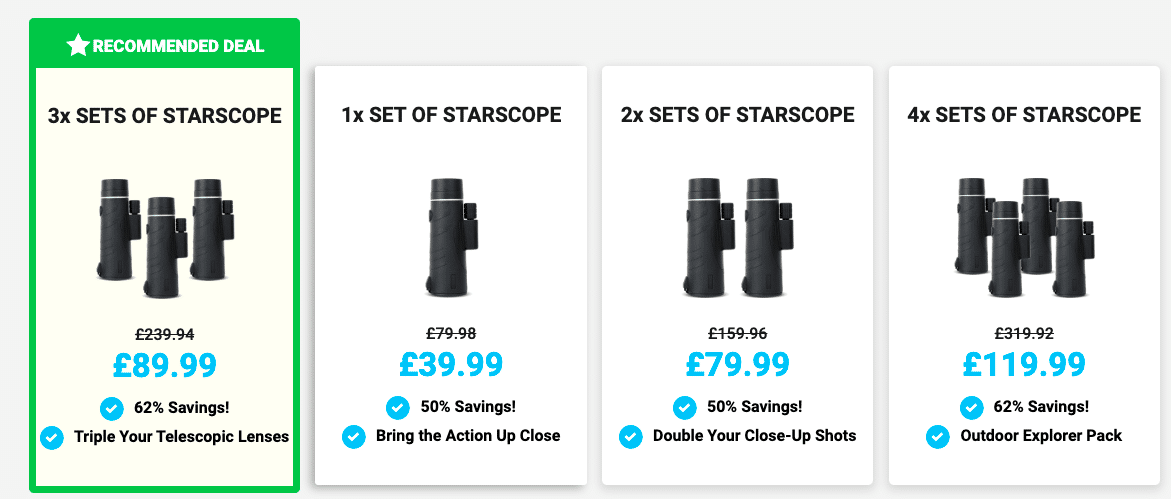
The Star scope monocular price is often advertised at varying price points. I've seen it listed between £40-£60, though prices can change. Some sellers offer bulk discounts – buy 2, get 1 free deals are common. However, these offers may not always be available.
Be careful of extremely low prices. They could indicate counterfeit products. It's best to buy from authorised sellers to ensure you're getting a genuine item.
Watch for seasonal sales around holidays like Black Friday or Christmas. These can offer good savings. Some websites also have newsletter sign-up discounts for first-time buyers.
Cost-Effectiveness
When considering value for money, there are mixed Starscope monocular reviews. Some users find it decent for the price, while others feel disappointed by its performance.
I'd compare it to other monoculars in the same price range. Look at features like magnification, lens quality, and durability. The Starscope claims high magnification, but real-world performance may differ.
Consider your needs. If you want a basic monocular for occasional use, it might suffice. For serious birdwatching or stargazing, you may need to invest in a higher-end option.
Refund and Return Policies
Refund policies for the Starscope monocular can vary by seller. Generally, there's a 30-day return window. Some buyers report difficulties with returns, so it's crucial to read the policy carefully before buying.
Keep all packaging and proof of purchase. This helps smooth the return process. If you're unhappy with the product, start the return process quickly to avoid missing the deadline.
Some sellers may charge a restocking fee or expect you to cover return shipping. Check these details in advance to avoid surprises.
Warranty Information
Warranty terms for the Starscope monocular aren't always clear. Some listings mention a 3-year warranty, but details can be vague. I recommend asking the seller for specific warranty information before buying.
Typical monocular warranties cover defects in materials and workmanship. They usually don't cover accidental damage or normal wear and tear. Keep your proof of purchase safe – you'll need it for any warranty claims.
Be aware that warranty service might involve sending the item back at your expense. Factor this into your purchase decision.
Delivery and Shipping Options
Shipping options for the Starscope monocular depend on the seller. Many offer free standard shipping, which can take 7-14 days. Expedited options are often available for an extra fee.
International shipping may incur additional customs fees. Check if these are included in the price or if you'll need to pay them separately.
Once shipped, you should receive a tracking number. This lets you monitor your parcel's progress. If you don't get a tracking number, contact the seller.
Some buyers report long delivery times, especially for international orders. Plan accordingly if you need the monocular by a specific date.
Where to Buy Starscope
The Starscope monocular is mainly sold through its official website. I'd recommend buying from the manufacturer or a reputable authorised retailer. This gives you the best chance of getting a genuine product with full warranty coverage.
Other Stores
It's also available on some e-commerce platforms like Amazon. Be cautious of third-party sellers – they may not offer the same guarantees as official channels.
Check customer Starscope monocular reviews before buying. They can give you a real-world perspective on the product and seller's reliability.
If buying from a marketplace like Amazon, look for sellers with good ratings and clear return policies. This can provide extra peace of mind with your purchase.
Beware of reseller sites, like on Amazon, eBay, Facebook Marketplace, to avoid possible refund policy issues.
Conclusion and Recommendations:
The Starscope monocular offers some benefits but has significant limitations. I've evaluated its key features, performance, and value to help you decide if it's right for your needs.
Best Use Cases:
The Starscope monocular works best for casual outdoor viewing. I found it handy for spotting wildlife on hikes or watching boats on the water. It's also decent for stargazing on clear nights. The compact size makes it easy to pop in a backpack.
For smartphone photography, it can add some zoom capability. I got passable shots of distant subjects in good lighting. Just don't expect professional-quality results.
Beginners interested in trying out a monocular may find it a low-cost entry point. The simple design is easy to use without much practice.
Situations to Avoid:
I wouldn't rely on the Starscope for any serious or professional use. The image quality falls short for detailed observations or photography. Low-light performance is poor, so it's not ideal for night-time viewing.
The build quality of Monocular Starscope feels cheap. I'd be wary of using it in harsh conditions or rough handling. The smartphone attachment is fiddly and unstable.
It's not suitable for long-distance viewing. Despite claims of powerful magnification, I found the zoom quite limited. Anything beyond medium range gets blurry fast.
Final Thoughts:
The Starscope monocular is a mixed bag. It provides basic functionality at a low price point. But its performance and quality don't match the exaggerated marketing claims.
For casual users on a tight budget, it might suffice. I'd recommend it only if you have very modest expectations. Anyone needing reliable optics should invest in a higher-quality monocular from a reputable brand.
Be wary of pushy ads or unrealistic promises. Shop around and compare options before buying. Consider your specific needs and intended uses carefully.
Frequently Asked Questions
I've researched the Starscope monocular thoroughly and found several key points that potential buyers often wonder about. Let's explore some common questions to help you make an informed decision.
What are common concerns or issues reported in Starscope monocular reviews?
Many users have raised doubts about the Starscope monocular's performance claims. The advertised zoom capabilities seem exaggerated. Some buyers report poor image quality and flimsy construction.
I've noticed that customer service issues are another frequent complaint. Refunds and returns can be tricky, leaving some users frustrated.
How much does the Starscope monocular cost, and where can I find the best price?
The Starscope monocular's price varies depending on where you look. I've seen it range from £40 to £70. Be wary of extremely low prices, as they might indicate counterfeit products.
Official websites and some online marketplaces offer the product. Always check seller ratings and return policies before buying.
How do user experiences with the Starscope monocular reflect in consumer reports?
Consumer reviews of the Starscope monocular are mixed, but tend to lean negative. Many users feel the product doesn't live up to its marketing claims.
I've found that while some people enjoy using it for casual outdoor activities, serious photographers and stargazers often find it lacking.
Are there any reliable Starscope monocular websites for purchasing the product?
Finding a truly reliable website for the Starscope monocular can be tricky. The official site exists, but I'd urge caution when ordering.
I recommend checking trusted online marketplaces with buyer protection policies. This can offer some safeguards if you're unhappy with your purchase.
What are the capabilities of the Starscope monocular when it comes to viewing distant objects?
The Starscope monocular claims to offer 10x magnification, which is standard for many monoculars. However, its actual performance often falls short of expectations.
I've found that while it might help you see objects a bit closer, it's unlikely to provide the crystal-clear, long-distance views promised in ads.
In what ways might a monocular differ from a telescope, and which is more beneficial for stargazing?
Monoculars are smaller, more portable, and typically less powerful than telescopes. They're designed for quick, on-the-go viewing.
For serious stargazing, I'd recommend a proper telescope. It offers higher magnification, better light-gathering ability, and often allows for camera attachments for astrophotography.
That's All for Now:
I've enjoyed sharing my insights on the Starscope monocular with you. This device has sparked much debate in the optics world. While some praise its portability, others question its performance claims.
The Starscope monocular's actual capabilities may not match its marketing. It's crucial to have realistic expectations when considering this product.
I encourage you to read more about monoculars and compare different options. Make an informed choice based on your needs and budget.
Thank you for reading my article. I hope you've found it helpful in your search for the right optical device. Please feel free to leave a comment with your thoughts or questions.
Don't forget to check out my related articles on binoculars and telescopes. They might provide additional useful information for your outdoor adventures or stargazing pursuits.
I look forward to bringing you more updates on optical gear in the future. Stay tuned!
Share this article

Stuart Kerr Spindlow is Pixoneye’s Publisher, Editor-in-Chief and Lead Product Reviewer. He tests consumer products and leads coverage of practical gadgets and personal-media preservation. His reviews focus on usability, limitations, value and the trade-offs that matter when choosing a product. Read Stuart’s full profile.
Leave a Reply