

iHear Pro: buying verdict

Product Name: iHear Pro
Product Description: Qinux-branded iHear Pro in-ear device. Match the exact current hardware and manual before buying a similarly named offer.
Currency: USD
Buying verdict
A potentially discreet in-ear option whose current version needs exact documentation. My buying verdict is conditional on the package label, manual, controls and returns. App compatibility, clinical superiority and a universal battery runtime are not established by the product name.
Overall
-
Model documentation
-
Discreet form
-
Control clarity
-
Buying confidence
Pros
- Small in-ear format
- Current Qinux offer describes rechargeability
- A clear model checklist can resolve version confusion
Cons
- Similarly named offers can differ
- App support must be verified for the exact hardware
- Return and support terms depend on the seller
My verdict: verify the exact iHear Pro model before buying. The name is used on offers with different hardware and terms. The appeal is a small in-ear device; the risk is assuming that an app, battery claim or return promise for one version applies to another.
I would choose an iHear Pro offer only after its seller supplies the exact package label, manual, controls and return conditions. A low price is poor value if the device is unsuitable or cannot be returned after a realistic trial.
Key Takeaways
| Decision | What matters for iHear Pro |
|---|---|
| Model | Match the device and box, not just the iHear Pro name |
| Phone features | Do not assume Bluetooth or iHear-app support |
| Power | Confirm disposable versus rechargeable batteries and actual supplied accessories |
| Suitability | An advertised amplifier is not automatically a verified US OTC hearing aid |
| Value | Confirm support and worn-product returns before comparing price |
Product Overview
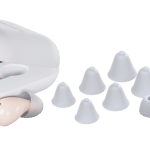
The Qinux/Widitrade iHear Pro offer promotes a discreet in-ear device and currently describes it as rechargeable. The product photograph retained in this review shows an earlier Qinux-branded iHear Pro/HearClear package and a small in-ear device. Treat that as an identified version, not proof that today’s box contains identical hardware.
Rechargeable hardware, removable batteries and a phone-connected hearing aid are different buying propositions. Obtain the manual for the exact version on the checkout page. The name alone does not establish its acoustic specification, regulatory category or app compatibility.
What It Is
A US OTC hearing aid is intended for adults aged 18 or over with perceived mild to moderate hearing loss. The FDA’s buyer guidance explains the required outside-box information. Ask the seller for that labelling if the product is offered as an OTC hearing aid. A general sound-amplifier advert and an FDA registration claim are not enough to verify the exact device.
This is not an appropriate blind gift purchase for a child or a person with severe hearing loss. Sudden changes, one-sided symptoms, ear pain, discharge or vertigo need professional assessment. The decision begins with suitability, not the discount.
Key Features and Specifications
The current Qinux offer claims a discreet in-ear fit, a digital chip that separates wanted sound from background noise, and rechargeability. These are seller claims. They do not establish speech clarity in a restaurant, sound quality compared with a prescribed aid or a particular runtime.
App-based hearing tests, Bluetooth pairing and phone-adjusted sound profiles must be matched to the exact iHear Pro version rather than inferred from its name. If phone control matters, request the app’s exact store listing, compatible operating systems and supported model number before paying.
| Ask for | Why it changes the purchase |
|---|---|
| Exact model and manual | Separates similarly named products |
| Volume/program controls | Shows whether adjustment is physical or phone-based |
| Power and charging details | Determines daily handling and replacement cost |
| Package contents | Confirms one device or a pair, tips, charger and accessories |
| Output/specification and warnings | Supports a suitability discussion with a hearing professional |
Design And Build Quality
A small in-ear body may appeal if discretion is important, but fit is individual. Tip size, insertion depth and access to controls affect usability more than a claim that nobody will notice it. A tiny control can be inconvenient if hand dexterity or vision is limited.
Compare a product photograph with the exact supplied version. Do not infer waterproofing, a durability rating or hypoallergenic materials from the shape. Confirm compatible replacement tips and whether the seller offers them separately.

Ease of Use and How to Use
Use the instructions supplied with the matched device. Identify left/right units where applicable, fit the recommended tip and learn its volume and program controls before relying on it in a busy setting. Do not install an app merely because another iHear-branded product uses one.
Follow the exact model’s charging and cleaning instructions. Keep moisture out of the electronics, use the specified charging arrangement and ask the seller about wax-filter or tip maintenance. If fit hurts or sound is uncomfortable, stop and get help rather than increasing the volume.
Important Considerations For Decision-Making
My priorities are model clarity, controllability, support and a usable return window. Buying confidence is lower when a seller cannot provide the package label or explain how the device is adjusted. A buying assessment should not turn generic sound-quality or battery claims into a confirmed specification.
For a meaningful comparison, ask each seller the same questions: can you return a worn device, when does the trial begin, what shipping or restocking cost applies, and who handles repairs? A more expensive option with clear fitting support can be better value than an unclear low-cost offer.
Competition and Alternatives
Compare the iHear Pro offer with a clearly labelled OTC device if that category fits your needs, or with professional fitting if it does not. Compare actual controls, adjustment support, replacement parts and return terms. Do not compare a bare amplifier price with a fitted hearing-aid package as though the service is identical.
Choose a documented app-supported model if phone adjustment is essential. Choose documented physical controls if you want to avoid phone dependence. Neither preference establishes that this iHear Pro supports the feature.
Purchase Information
There is no dependable single iHear Pro price or universal trial period across similarly named sellers. An offer elsewhere advertising a 14-day refund does not establish the terms of the Qinux/Widitrade version. Compare the terms of the exact seller and device.
Check seller identity, country served, exact hardware, delivered total, taxes, return address and warranty exclusions before ordering. Keep the terms with your order confirmation. If the seller cannot confirm the exact model and its terms, postpone the purchase or choose a better documented device.
Conclusion and Recommendations
iHear Pro’s strongest appeal is a discreet in-ear form, but the product name leaves too much room for version confusion to support an unconditional recommendation. My buying verdict is to wait for exact documentation and usable return terms. If the seller cannot supply them, choose a better documented device or arrange a professional assessment.
Frequently Asked Questions
What are the distinguishing features of the iHear Pro hearing aids?
The Qinux/Widitrade offer promotes an in-ear design, a digital chip and a rechargeable version. Confirm the exact device and manual; these claims do not establish app control, Bluetooth or verified speech performance.
How do the iHear Pro hearing aids perform in comparison to other brands?
A useful comparison needs matched hardware, hearing suitability, controls, support and return conditions.
Can users share their experiences with the battery life of iHear Pro hearing aids?
Battery reports must identify the same version and usage pattern. Disposable-battery and rechargeable variants cannot share one runtime claim. Ask for the exact battery or charger specification rather than applying one version’s runtime to another.
What range of hearing loss is the iHear Pro designed to cater for?
US OTC hearing aids are intended for adults 18 or over with perceived mild to moderate hearing loss. That category does not automatically establish this particular offer’s regulatory status. Request its package labelling; severe loss or concerning symptoms needs professional advice.
How does the iHear app enhance the functionality of their hearing aids?
App functions depend on the exact compatible hardware. This iHear Pro offer has not established support for the iHear app, phone hearing tests or custom phone-adjusted profiles. Ask for a model-specific app listing before buying for that purpose.
What warranty and support options are available with the iHear Pro hearing aids?
Terms depend on the seller and version. Obtain written details for the trial start, worn-device eligibility, return costs, repair support and any warranty. Do not transfer a similarly named seller’s promise to this offer.
Related Posts
Share this article

Stuart Kerr Spindlow is Pixoneye’s Publisher, Editor-in-Chief and Lead Product Reviewer. He tests consumer products and leads coverage of practical gadgets and personal-media preservation. His reviews focus on usability, limitations, value and the trade-offs that matter when choosing a product. Read Stuart’s full profile.
Hello, Natalie. I can’t find in Android Play Store the app to configure the iHear Pro aids. Can you tell me the name? Also, would you have the user manual with the instructions of working and configuration?. I’m thinking of buying this aids but I am not completely sure of its quality. Thanks in advance.