
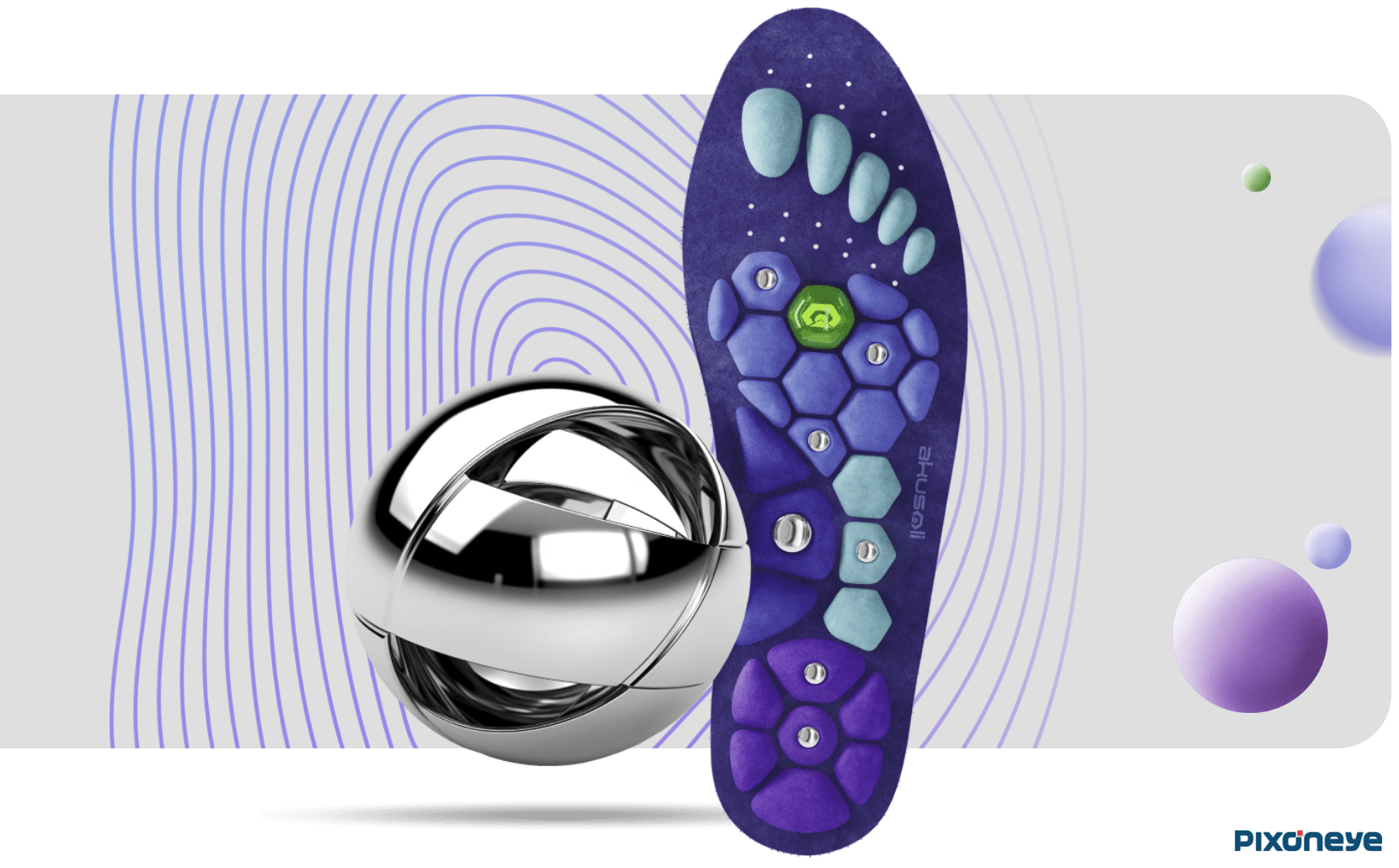
Akusoli insoles Review: Quick Verdict

Product Name: Akusoli Shoe Insoles
Product Description: Trim-to-fit cushioning insoles with a raised acupressure surface and magnets. Shoe fit and pressure comfort matter more than therapeutic marketing.
Brand: Akusoli
Our verdict
Akusoli is a conditional choice if you like a textured, raised insole and your shoes have enough room. A plain, flatter cushioning insole is a better fit if the pressure bumps are uncomfortable. Persistent foot pain deserves assessment rather than reliance on magnet claims.
Overall
-
Support/cushioning for the intended job: 3/5
-
Foot shape, shoe volume and sizing: 3/5
-
Placement, retention and comfort limits: 3.5/5
-
Material care, wear and pair value: 3/5
Pros
- Trim-to-fit design
- No charging or electronics to maintain
- Distinct raised surface for buyers who prefer that feel
Cons
- Raised zones may feel intrusive
- Not a custom orthotic or established medical treatment
- Used or trimmed goods need careful return-policy checks
Akusoli’s distinctive feature is its sculpted surface: cushioning zones sit alongside embedded magnets. That makes shoe compatibility and pressure tolerance more important than a promise of universal fit. This review focuses on the buying decision, what the seller actually documents and what its marketing does not establish.
What Akusoli Is and Who It Suits
Akusoli is a pair of removable shoe inserts, not a custom orthotic. The seller markets a trim-to-fit design with cushioning and acupressure zones. Its materials support page identifies EVA foam, a suede surface and magnets. Those materials explain the construction; they do not prove a medical benefit or an environmental certification.
The sensible buyer is someone comparing everyday shoe inserts who can check the size chart, has room in the shoe and understands that raised zones feel different from a smooth foam insert. I would not choose it as a substitute for prescribed orthotics or as a treatment purchase based on a diagram of organs and pressure points.
The Practical Difference: Texture, Volume and Fit
| Buying factor | What to check | Why it matters |
|---|---|---|
| Shoe volume | Space above the foot and a removable factory insole | Adding an insert can make an otherwise suitable shoe too tight |
| Heel and arch position | Heel seats properly; raised zones line up comfortably | A correct length alone does not establish a good fit |
| Trimming | Exact size range and the seller’s trimming guidance | Removing material is irreversible and may affect a return |
| Surface feel | Tolerance of pressure bumps during ordinary use | More texture is not automatically more comfort |
| Return terms | Rules for worn, trimmed or hygiene-sensitive goods | A general return headline may not cover a used pair |
Start by comparing the supplied size range with the footwear you actually intend to use. A roomy trainer and a narrow dress shoe are different environments. Do not assume “fits all shoes” means the same feel or space in both. If the original liner cannot be removed, check that stacking inserts does not squeeze your toes or lift your heel out of position.
Before cutting, check the current Akusoli user guide and return policy. Trim conservatively if the instructions permit it; a size number on the box is not a substitute for comparing the shape with the original liner. If a raised area creates a concentrated sore spot, the right response is to reassess the fit rather than assume discomfort shows the product is working.
What the Magnet and Acupressure Claims Mean
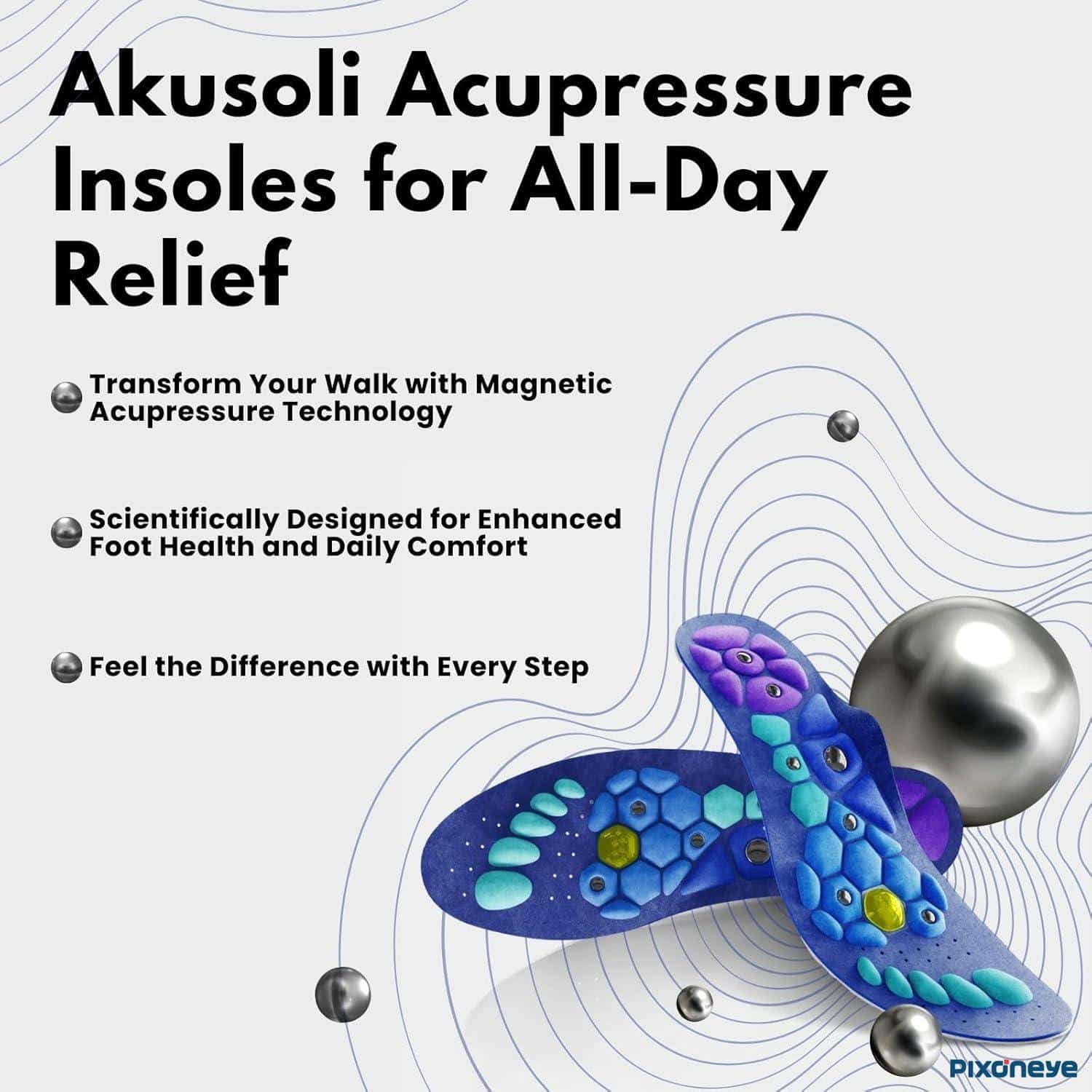
The seller presents magnets, pressure zones and a silver-coated surface as selling points. These are manufacturer claims. This review does not establish that magnets treat plantar fasciitis, sciatica, neuropathy or back pain, nor that a foot map demonstrates effects on internal organs. A comfortable insert and a treatment for a diagnosed condition are different buying questions.
Likewise, a seller’s antimicrobial wording does not mean the insert prevents an infection or removes the need for ordinary footwear hygiene. Check the care instructions and let footwear dry appropriately. If you have reduced sensation, skin problems or a medical condition affecting your feet, ask your treating professional whether this kind of raised insert is suitable.
My Assessment and the Ratings
My buying judgement is that shoe fit should lead this decision. The unusual surface is a potential advantage for someone who likes that feel and a drawback for someone who wants evenly distributed, unobtrusive cushioning. The criteria in the native verdict box are editorial buying scores out of five: fit planning, everyday practicality, evidence transparency and value. They are not measurements of pain reduction or clinical efficacy.
Overall: 3.1/5. My four editorial buying scores below each contribute 25%. They assess ready-made orthotic insoles using the product features, practical limitations and ownership requirements discussed in this review. This reassessment does not report a new measured test or a guaranteed result.
Support/cushioning for the intended job: 3/5. The shaped insert provides a defined support and textured surface. Magnetic or reflexology language does not establish treatment benefit.
Foot shape, shoe volume and sizing: 3/5. Trimming helps match an outline but cannot guarantee arch position, shoe volume or comfortable pressure.
Placement, retention and comfort limits: 3.5/5. Placement and the raised zones may suit some feet and irritate others. Comfort and stable retention take priority.
Material care, wear and pair value: 3/5. Care, wear and return eligibility for a trimmed or worn pair affect value. Read the exact fitting and return instructions.
Price, Bundles and Returns
Akusoli prices vary with the number of pairs and delivery country. For a US order, confirm the quantity, currency, delivery charge, tax and any optional extras in the final total.
Read the current returns policy before opening, wearing or trimming the inserts. Check the claim window, authorisation process, return address and who pays postage. A promotion or money-back headline is less useful than knowing whether the exact condition of your pair remains eligible. Save your order confirmation and the terms that apply to it.
Compare the seller’s current delivered price and return eligibility before buying. Its therapeutic marketing does not establish that the insoles treat a medical condition.
Akusoli Versus a Conventional Insole
A plain cushioning insert is the more straightforward choice when you want an even surface and minimal change in shoe feel. A structured orthotic is a different category when you need prescribed support. Akusoli sits between these decisions as a textured consumer insert, but its magnet positioning should not be treated as the reason to pay more. Compare heel seating, usable shoe space and returnability first.
I would also compare one pair against one pair. A multi-pair promotion can look inexpensive per pair while leaving you with several unsuitable inserts. Buy only the quantity you can reasonably use once the fit and return conditions make sense.
Final Verdict
Akusoli is worth considering for its physical design if a raised surface is what you want. It is a weaker choice for buyers seeking a demonstrated medical treatment or a guaranteed improvement in posture or pain. The clearest value test is simple: does it fit your actual shoes comfortably, and is the delivered price reasonable against a conventional insert you can return?
Frequently Asked Questions
What are the benefits of using Akusoli insoles as reported by users?
Seller-hosted reviews report different comfort experiences. Those accounts do not establish typical outcomes or a treatment effect. Evaluate the physical fit and return terms rather than treating testimonials as a guarantee.
How do Akusoli insoles compare with other leading brands in the UK market?
Compare the same size and quantity, delivered UK cost, shoe volume, surface texture and returns. This review does not claim Akusoli beats every UK brand or publish an unsupported head-to-head clinical ranking.
What materials are Akusoli insoles made from, and are they environmentally friendly?
The brand’s support page lists EVA foam, suede and magnets. That does not establish that the complete insert is recyclable, biodegradable or environmentally certified. Check a specific documented claim before relying on it.
Can Akusoli insoles help with specific foot conditions, according to consumer reports?
Consumer accounts cannot establish treatment for a diagnosed foot condition. Persistent pain, altered sensation or skin problems deserve appropriate professional assessment, particularly before using a raised insert.
What is the price range for Akusoli insoles in the Australian market?
Check the current Australian order page, currency, pair count, shipping and taxes. The US offer is not an Australian price quote, and this review does not convert a stale dollar price into a current local range.
How effective are Akusoli acupressure insoles in providing relief from foot pain?
Comfort varies with shoe fit and pressure tolerance. This review does not establish a quantified pain-reduction effect from the magnets or acupressure zones.
Related Posts



Share this article

Stuart Kerr Spindlow is Pixoneye’s Publisher, Editor-in-Chief and Lead Product Reviewer. He tests consumer products and leads coverage of practical gadgets and personal-media preservation. His reviews focus on usability, limitations, value and the trade-offs that matter when choosing a product. Read Stuart’s full profile.
Leave a Reply