
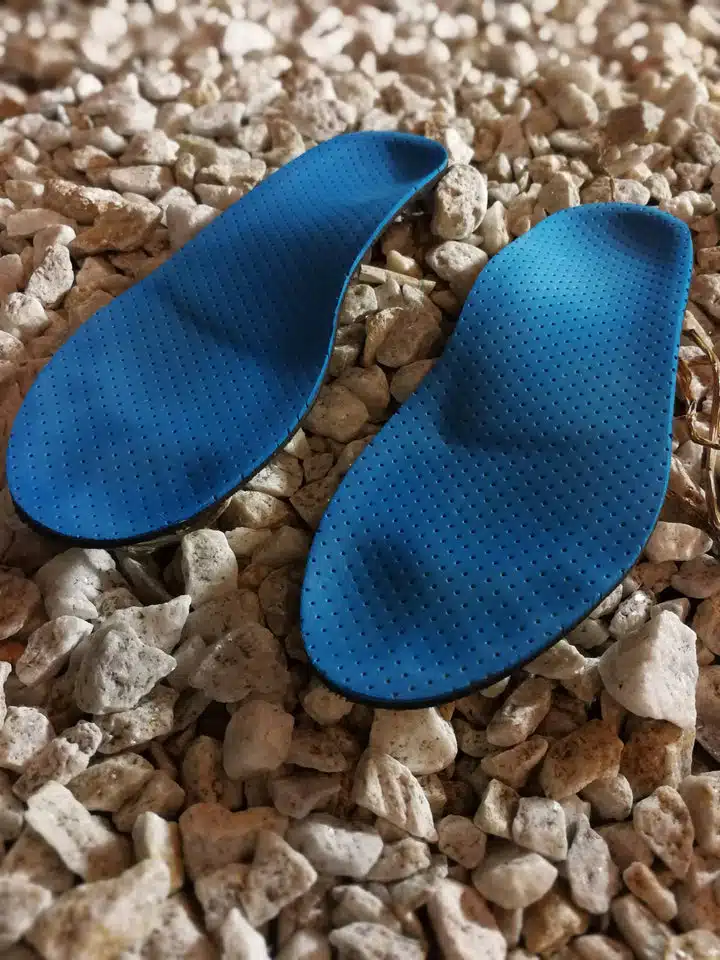
DoctorInsole FitStep Review: Quick Verdict

Product Name: DoctorInsole FitStep
Product Description: Size-selected ready-made insoles with a semi-rigid shell and cushioning for suitable shoes with removable liners.
Brand: DoctorInsole
Our verdict
DoctorInsole FitStep is worth considering for roomy sports shoes with removable liners when you want a shaped shell plus cushioning. Shoe volume and arch position are the deciding checks. I would choose the lower-profile DoctorInsole MultiStep for tighter everyday footwear, and seek individual advice for persistent pain rather than treating an off-the-shelf insole as a custom prescription.
Overall
-
Support design — 3.5/5
-
Shoe fit & sizing — 3.0/5
-
Care & construction — 3.5/5
-
Terms & value — 3.0/5
Pros
- Structured shell plus cushioning
- Size-selected versions
- Clear spot-cleaning guidance
Cons
- Needs sufficient shoe volume
- Ready-made shape will not suit every foot
- Shell warranty is separate from cushioning wear
A supportive insole can feel completely different in two pairs of shoes. The shell may be comfortable under your foot while the added height makes the same shoe too tight over the toes. That is why I put shoe fit ahead of promises about correcting the whole body. This review focuses on FitStep; MultiStep and HighStep have different footwear roles.
What you get with FitStep
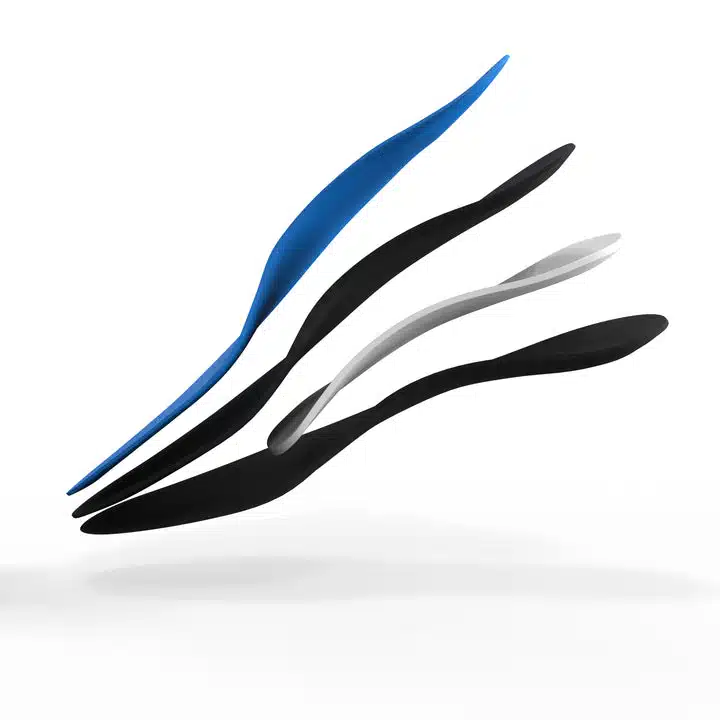
FitStep is a ready-made, size-selected orthotic insole. The manufacturer’s product description identifies a semi-rigid polypropylene shell, foam cushioning and synthetic covering materials. The shaped shell provides structure beneath the foot; the foam adds cushioning. It is a different proposition from a flat pad, but that construction does not make it equivalent to an individually prescribed orthotic.
DoctorInsole describes its cushioning as taking an impression during use. Think of that as a fit characteristic of the material, not proof that the shell has been individually made for your foot or that it can address every cause of pain. A prefabricated shape still has to suit your arch, heel and shoes.
The brand distinguishes its men’s and women’s FitStep versions, including differences in cushioning. Check the actual size system and version on the selected product rather than choosing by colour or a generic DoctorInsole photograph. The exact model matters more than the brand name alone.
FitStep, MultiStep or HighStep?
| Footwear situation | Model to investigate | Fit check before buying |
|---|---|---|
| Roomy sports shoe with removable liner | FitStep | Remove the existing liner as instructed; check toe room and heel security |
| Everyday shoe with less spare volume | MultiStep | Compare the lower profile; do not force an already tight shoe |
| Closed-toe high-heeled footwear | HighStep | Confirm the specific heel-height and shoe requirements |
| Persistent pain or an existing prescribed orthotic | Individual fitting advice | Establish the cause and whether a ready-made insert is suitable |
The brand’s footwear guide places FitStep in sports shoes with removable insoles, MultiStep in lower-profile everyday footwear and HighStep in appropriate high heels. These are separate products. A link or photograph for HighStep should not be taken as an offer for FitStep.
Getting the size and shoe volume right
Use the current size chart for your selected version and market. Do not interchange UK, US and EU sizing without checking the conversion. The arch should sit in a comfortable position under your foot; an insert that is simply the same length as the shoe is not automatically the right fit.
For FitStep, DoctorInsole’s before-use instructions recommend removing the original sneaker insole first. Stacking two full insoles can take up valuable space and change how your heel sits in the shoe. If the original liner is glued in, do not damage the shoe trying to force this setup; establish compatibility first.
Check toe room, pressure across the upper and whether the heel still sits securely. Lace the shoe normally and walk a little on an indoor surface before committing to a long outing. A higher foot position can create heel slip or pressure even when the insole itself feels soft. Do not solve a cramped shoe simply by loosening it until it no longer holds your foot securely.
Follow the current instructions before trimming or altering an insole. Do not cut the structural shell or assume that a tutorial for a different brand applies. Alterations can change fit and may affect return eligibility.
What the support and cushioning can reasonably mean
I see FitStep’s practical appeal in the combination of a defined shape and cushioning, particularly where a thin original liner gives little structure. Some buyers prefer that feel to a completely soft pad. Others may find the arch shape too noticeable or the shoe too full. Those are meaningful differences in fit, not evidence that one person is using it incorrectly.
A comfortable walk is useful feedback about the setup. It does not establish correction of three planes of motion, prevention of an accident or treatment of a particular foot condition. Likewise, a testimonial about returning to running is someone else’s report, not a result you can assume for your own foot.
I would judge the purchase by the jobs it can practically perform: fit securely in the intended shoe, remain comfortable during ordinary movement and provide the support feel you prefer. I would not buy it on a promise that it fixes most foot problems or gives everyone prescription-level correction.
Adjustment, discomfort and when to get advice
The manufacturer recommends easing into the insoles rather than immediately wearing them for a whole day. Begin with a manageable period and check comfort and skin contact. Follow the supplied guidance and any advice you have received about your feet; there is no reason to push through increasing pain to satisfy a break-in timetable.
Stop and reassess a setup that causes persistent pressure, new pain, numbness, rubbing or instability. A new insole changes the space and contact points inside the shoe. If you already use a prescribed orthotic, have reduced sensation or an ongoing foot problem, ask the relevant clinician before replacing it with a ready-made insert.
For running or demanding activity, establish ordinary walking comfort first. An insole is not permission to resume an activity that you have been advised to avoid. Persistent pain deserves attention to its cause, not a succession of increasingly firm inserts.
Care, wear and ongoing cost
DoctorInsole’s care instructions specify spot cleaning with mild detergent, avoiding direct immersion and allowing the insoles to air dry fully before reinserting them. Do not treat them like a washable sock or put them into a hot dryer. Cleaning and drying are part of the ownership routine, especially in shoes used for exercise.
Inspect the covering, foam and shell for changes that affect comfort or positioning. A broken shell is different from worn cushioning. The useful life depends on activity and condition; a warranty against shell breakage does not mean the cushioning will feel unchanged for the same period.
Check fit again if you move the insole into another pair of shoes. A similar labelled shoe size can have a different internal shape or volume. Buying multiple pairs may be convenient, but it is sensible to establish which version works in your main shoes before treating a multipack as the best value.
Price, returns and the warranty distinction
Compare the total payable for the exact number of pairs, size and version. A per-pair multipack headline is not the amount due for a single pair, and a crossed-out reference price is not proof of a saving compared with other retailers. Include shipping and tax in the comparison.
The current FitStep page describes a 30-day return window from receipt, with a receipt required, and exclusions for misuse, abuse or improper cleaning. It separately describes a one-year guarantee against poly-shell breakage. These are different protections; do not read them as a 60-day trial or a lifetime guarantee for the whole insole. Read the terms for the actual seller and order before purchase.
I would also establish who handles a return and whether the selected model and size can be tried under those terms. A clear process is more useful than a general “risk-free” badge, particularly when fit is central to the decision.
The better alternative for tighter shoes
MultiStep is the first alternative I would investigate if FitStep leaves too little space in everyday shoes. The manufacturer identifies it as a lower-profile model for that role. It is a more relevant change than simply buying a smaller FitStep to reduce bulk, which can put the arch in the wrong place.
For someone whose current shoe already fits tightly, changing the shoe may be more appropriate than adding any insert. If your needs are clinical or a ready-made shape repeatedly causes discomfort, individual assessment is the more useful comparison. A bigger product list cannot settle those fit questions.
How I scored FitStep
The four equal-weight editorial criteria assess practical buying fit. Support design: 3.5/5—a shaped shell and cushioning, without assuming custom correction. Shoe fit and sizing: 3.0/5—useful size choices, with substantial shoe-volume constraints. Care and construction: 3.5/5—clear care guidance and a defined shell, balanced against covering and cushioning wear. Terms and value: 3.0/5—a stated return window and shell guarantee, with package totals and fit needing careful comparison. The equal-weight average is 3.3/5. These are buying judgments, not measured pain-relief results.
My final recommendation
Consider FitStep when your sports shoe has a removable liner and enough room for the structured insert. Choose MultiStep as the more suitable starting point for a lower-profile everyday setup. Put comfort, arch position and the actual return terms ahead of a discount or a promise of a universal cure.
Frequently asked questions
Is FitStep the same as a custom orthotic?
No. It is a ready-made, size-selected insole. Cushioning that adapts during wear is not the same as a device individually prescribed and made for your foot.
Should I leave the original sneaker insole underneath?
The manufacturer recommends removing the original sneaker insole for FitStep. Confirm compatibility if the liner cannot be removed, and check toe room and heel security.
Are FitStep and HighStep interchangeable?
No. FitStep is intended for suitable sports shoes, while HighStep has a high-heeled-footwear role. MultiStep is the lower-profile everyday option.
What does the guarantee cover?
The current FitStep page describes a 30-day return window from receipt and a separate one-year guarantee against poly-shell breakage. Check the seller’s full conditions; neither means a lifetime guarantee for all materials.
Sources and image credits
FitStep’s layered construction combines cushioning with a shaped support shell. Image: DoctorInsole.
Related Posts

Share this article

Stuart Kerr Spindlow is Pixoneye’s Publisher, Editor-in-Chief and Lead Product Reviewer. He tests consumer products and leads coverage of practical gadgets and personal-media preservation. His reviews focus on usability, limitations, value and the trade-offs that matter when choosing a product. Read Stuart’s full profile.
Leave a Reply